Hey there! I’m a supplier of industrial equipment fabrications, and I’ve seen firsthand the importance of operator safety. In this blog, I’ll share some practical tips on how to ensure the safety of operators using our industrial equipment fabrications. Industrial Equipment Fabrications

Understanding the Risks
First off, it’s crucial to understand the potential risks associated with industrial equipment. These can range from mechanical hazards like moving parts, sharp edges, and hot surfaces to electrical risks, chemical exposures, and ergonomic issues. For example, a poorly designed machine might have exposed gears that could catch an operator’s clothing, leading to serious injury. Or, working with certain chemicals in a fabrication process could cause skin irritation or respiratory problems.
Training and Education
One of the most effective ways to ensure operator safety is through proper training and education. When operators are well – informed about how to use the equipment correctly, they are less likely to make mistakes that could lead to accidents.
We offer comprehensive training programs for all our industrial equipment fabrications. These programs cover everything from basic operation to advanced troubleshooting. For instance, we teach operators how to perform pre – shift inspections to check for any signs of wear or damage. We also go over safety procedures, like how to use personal protective equipment (PPE) properly.
PPE is a must – have in any industrial setting. Depending on the type of equipment and the work being done, operators might need safety glasses, gloves, hard hats, and steel – toed boots. We make sure our operators know which PPE is required for each task and how to wear and maintain it.
Equipment Design and Maintenance
The design of our industrial equipment fabrications plays a huge role in operator safety. We take great care to incorporate safety features into our designs. For example, we use guards and shields to cover moving parts, preventing operators from accidentally coming into contact with them. We also design our equipment with easy – to – reach emergency stop buttons, so operators can quickly shut down the machine in case of an emergency.
Regular maintenance is also key. We have a strict maintenance schedule for all our equipment. This includes routine inspections, lubrication, and part replacements. By keeping the equipment in good working condition, we reduce the risk of malfunctions that could lead to accidents. For example, if a conveyor belt isn’t properly maintained, it could start to slip or jam, posing a danger to operators.
Workplace Organization
A well – organized workplace is a safer workplace. We make sure that our work areas are clean and free of clutter. Tools and materials are stored in designated areas, so operators can easily find what they need without having to search through a messy workspace. This not only improves efficiency but also reduces the risk of tripping and falling.
We also mark walkways and hazard areas clearly. For example, we use bright colors and signs to indicate areas where there is a risk of electrical shock or where heavy machinery is operating. This helps operators stay aware of their surroundings and avoid dangerous situations.
Safety Culture
Creating a strong safety culture is essential. At our company, we encourage all employees to take an active role in safety. We have safety meetings regularly where operators can share their concerns and ideas. We also reward employees for following safety procedures and reporting potential hazards.
For example, if an operator notices a small issue with a piece of equipment and reports it right away, we give them recognition and sometimes a small incentive. This not only helps prevent accidents but also makes operators feel valued and involved in the safety process.
Emergency Preparedness
No matter how many safety measures we put in place, accidents can still happen. That’s why we have a comprehensive emergency preparedness plan. We train our operators on what to do in case of different types of emergencies, such as fires, chemical spills, or equipment failures.
We have emergency exits clearly marked and regularly conduct drills to make sure everyone knows how to evacuate the building quickly and safely. We also have first – aid kits readily available in all work areas, and some of our operators are trained in first – aid.
Communication
Good communication is vital for operator safety. We make sure that operators have clear instructions on how to use the equipment and what safety procedures to follow. We also encourage open communication between operators and management. If an operator has a question or a concern about safety, they can easily talk to their supervisor.
We also use communication tools like signs, labels, and safety manuals to convey important information. For example, each piece of equipment has a label with safety instructions and operating procedures. This helps operators stay informed and follow the right steps.
Monitoring and Evaluation
We continuously monitor and evaluate our safety measures. We keep track of accidents and near – misses to identify any trends or areas that need improvement. For example, if we notice that a certain type of accident is happening more frequently in a particular area, we investigate the cause and take steps to prevent it from happening again.
We also conduct regular safety audits to make sure that all safety procedures are being followed. These audits help us identify any potential safety hazards and take corrective action before an accident occurs.
Conclusion
Ensuring the safety of operators using industrial equipment fabrications is a top priority for us. By providing proper training, designing safe equipment, maintaining a clean and organized workplace, fostering a strong safety culture, being prepared for emergencies, communicating effectively, and continuously monitoring and evaluating our safety measures, we can significantly reduce the risk of accidents.
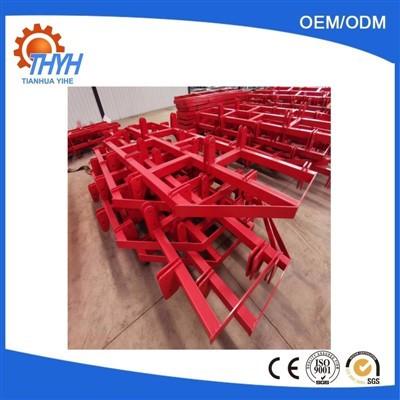
Heavy-Duty Farm Welded Frames If you’re in the market for industrial equipment fabrications and are concerned about operator safety, we’d love to talk to you. Our team of experts can help you find the right equipment for your needs and ensure that it meets the highest safety standards. Don’t hesitate to reach out to us for a consultation and to start the procurement process.
References
- Occupational Safety and Health Administration (OSHA) guidelines on industrial equipment safety
- Industry best practices for operator safety in industrial fabrication
- Studies on the impact of safety culture on workplace accidents
Qingdao Tianhua Yihe Foundry Factory
Address: XIAOBUHOU INDUSTRIAL ZONE, NANQUAN TOWN, JIMO DISTRICT, QINGDAO CITY, CHINA
E-mail: andywang@qdthyhmetalfab.com
WebSite: https://www.qdthyhmetalfab.com/
