Hey there, it’s Mia from [Your Custom Ring Co.] – I get it, when you drop a chunk of change (or a whole lot of late-night coffee shifts) on a custom ring, it’s not just jewelry. It’s that dainty pear-shaped solitaire you designed with your partner’s birthstone tucked in the band, the engraved promise ring you had made for your best friend, or even that go-to cocktail ring with the weird textured band you picked out because it felt like you. I’ve got boxes of custom pieces back at the shop – and a few of my own too – that I’ve forgotten to clean for months, so I know exactly how grimy these things can get. But the worst part? Cleaning a custom ring isn’t the same as grabbing a generic chain from the mall. Throw in unique engravings, mixed metals, weird inlays, or delicate stones (looking at you, those soft opals people beg for), and a bad cleaning job can turn your one-of-a-kind treasure into something that looks like it’s been through the dryer with a pair of jeans. Today, I’m breaking down how to clean your custom ring properly, no fancy tools, no risky mistakes, just the stuff I’ve tested on every ring that’s rolled through my workshop in the last 7 years. Custom Ring
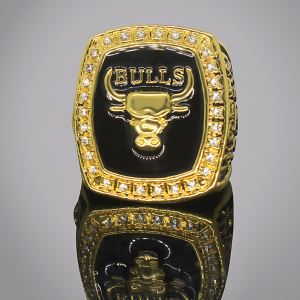
First things first: before you even grab a cloth or a cleaner, I need you to take 2 minutes to figure out what your ring is actually made of. That’s the make-or-break step. I see so many people jump straight to rubbing alcohol because “cleaning stuff is rubbing alcohol” and end up ruining a rose gold band that’s been plated or a porous gemstone. Let’s keep this simple – no need for a chemistry degree. First, check your custom ring’s paperwork (you did save that, right? I’ve had so many customers say they tossed it when their ring arrived, and trust me, I get it, but it’s worth digging out). That’ll tell you the metal type (solid gold vs. gold-plated, sterling silver, platinum, etc.) and the main stones. If you lost the paperwork, give it a quick once-over: solid metals feel heavy for their size, gold-plated will flake if you scrape a tiny, hidden spot with a fingernail, and soft stones like opal, pearl, turquoise, or even some amethysts will feel lightweight and delicate next to a diamond or sapphire.
Let’s start with the most common custom ring types because 9 times out of 10, that’s what we make here. First up: solid gold (any karat – 10k, 14k, 18k) and platinum rings with hard, durable stones (diamonds, sapphires, rubies). This is the “I can be a little more adventurous” category. I’ve cleaned hundreds of these, and the best method? No, it’s not that $10 ultrasonic cleaner that some jewelers sell you. Wait, before you yell at me – ultrasonic cleaners do work, but only if you use the right solution and don’t leave the ring in for more than 30 seconds. I once had a customer bring in a ring that had a turquoise inlay, left it in an ultrasonic for 2 minutes, and the stone basically dissolved. Oops. So my go-to, foolproof method for these rings is super simple: grab a small bowl (the size of a teacup works), fill it with warm (not hot! Hot water can warp thin bands, trust me) tap water, add a tiny drop of gentle dish soap – I use Dawn Original because it’s not scented, not antibacterial, and doesn’t have any harsh additives – and stir it up. Let your ring soak in this for 15 to 20 minutes. That’s not a typo – soaking is key. Over time, lotion, oil from your hands, makeup, even food stuff (I’ve found a piece of cheddar in a ring engraving once) gets stuck in the crevices of custom rings, especially around engravings or textured edges. Soaking loosens all that gunk without scrubbing too hard. After it’s done soaking, grab a soft-bristled toothbrush (the kind with the extra tiny head, like a kids’ toothbrush, works best) and gently brush every part: under the stone, along the band, right into the engraving lines. No pressure here – if it doesn’t come off, it was probably stuck really good, and a second soak won’t hurt. Once you’re done, rinse it under the same warm tap water to get rid of all the soap, then pat it dry completely with a lint-free cloth – like the kind you use for glasses, or a microfiber cloth for cleaning screens. Never use paper towels, they leave lint and can even scratch soft metal.
Now, if your ring is gold-plated, sterling silver, or has soft stones (pearl, opal, turquoise, amber, etc.)? We need to dial it way back. Gold-plated is tricky because the thin layer of gold can wear away with even mild harsh cleaners. I had a necklace in the shop once that was gold-plated, and a customer used a jewelry cleaner from the drugstore, and within a week, all the gold was gone, leaving raw brass. For gold-plated rings, stick to just warm water and a very tiny drop of dish soap – no brushing, just dip it and gently rub the band with your finger, then rinse and pat dry. Sterling silver is another story – it tarnishes, that’s just what it does, especially if you wear it every day. But don’t reach for the harsh silver polish that comes in a bottle, because it can scratch fine sterling silver and get stuck in engravings. Instead, make a paste with baking soda and a tiny bit of water (like 1 part baking soda to 1 part water) and rub it on with a soft cloth for 10 seconds, then rinse. That’s way gentler and gets rid of tarnish without the scratches.
And the soft stones? Opals and pearls are my favorite to work with for custom rings, but they’re so sensitive. I can’t tell you how many times a customer has sent a ring back because they cleaned their pearl ring with vinegar (yes, vinegar, I’ve seen it) and the pearl’s surface got cloudy. Vinegar is acidic, it eats away at that thin pearl layer. For opals, they can even crack if you use too much water or expose them to harsh chemicals. So for these, the only thing you should use is a dry, soft cloth to rub them down. If there’s really a stain that won’t come off, mix 1 drop of dish soap in a cup of water, dip a cloth in that, wring it out so it’s barely damp, and gently rub the stone – don’t let it sit in the water at all. I once had an opal ring that had a coffee stain on it, and I tried soaking it (bad move, I knew better) and the stone actually changed color a little. Lesson learned.
Now, let’s talk about the stuff you should never do, even if you think you’re being safe. First, don’t use bleach. Ever. Not just because it’s harsh, but if you have a mixed metal ring (like 14k yellow gold band with a white gold setting), bleach will turn the yellow gold a weird green color and ruin the mix. Second, don’t use toothpaste. I know, I know – everyone swears by it. But most toothpaste has abrasives that are way too harsh, and they’ll scratch metal and even soften or scratch soft stones. Third, don’t wear your custom ring while doing chores. I can’t tell you how many rings we’ve had to repair because a customer wore theirs to wash dishes, and the ring got knocked against the sink, or dish soap got stuck in the engravings and turned it dull. And last, don’t use ultrasonic cleaners on any ring with inlays, engravings that are really deep, or soft stones. I get it, ultrasonic is quick, but the vibrations can loosen inlays or make engravings fade over time – I’ve seen it way too many times.
Wait, what about if your ring has diamonds in it? A lot of people get diamond solitaire custom rings, right? I make a ton of those for engagements. Diamonds are the hardest natural substance on Earth, so they can handle a little more, but even then, I don’t recommend ultrasonic cleaners unless you’re positive there are no inclusions or fragile settings. My go-to for diamond rings is still the warm water and dish soap soak. The suction of the diamond (yeah, that’s a real thing!) means that all the gunk from lotion and oil gets pulled out, and a quick brush gets rid of anything left. I even let my own engagement ring (which has a two-carat diamond) soak every Sunday night, just to keep it shiny.
Another big thing that people forget about custom rings: the little details. Engravings, for example – so many of our customers have custom rings with coordinates, initials, or inside jokes engraved, and those lines get filled with gunk all the time. When you soak the ring, the water gets into those lines and loosens all the crud, so you’ll be surprised how much brighter the engravings look after a soak. I actually recommend doing a full soak once every two weeks, even if you don’t think your ring is that dirty, just to keep those little lines clear. Textured bands too – if you have a ring with hammered texture, or little grooves, those are perfect for trapping dirt, so soaking is way better than trying to scrub those with a cloth.
What if your ring is super dirty, like you haven’t cleaned it in months, or you wore it to a beach trip and got sand in all the crevices? Don’t panic – just extend the soak time to 30 minutes instead of 15, and then take a close look before scrubbing. If there’s sand, let it soak a little more so it dissolves, because scrubbing sand is like using sandpaper on your ring – big no-no. I had a customer bring in a ring last year that she wore on a beach vacation, and she tried to scrub the sand out with a toothbrush right away, and it scratched her textured band so bad she had to get it re-polished. So soak first, always.
Now, let’s address the thing I get asked more than any other: can I use jewelry cleaner from the store? The answer is: it depends. Most over-the-counter jewelry cleaners are made for mass-produced rings, not custom ones. They’re too harsh for engravings, mixed metals, and soft stones, and they can leave a residue that makes your ring duller over time. If you must use a store-bought cleaner, only use one that says it’s safe for your specific ring type (like “safe for pearls and gold” or “safe for sterling silver”) and test a tiny, hidden spot on the band first, wait 10 minutes, and see if it discolors before using it on the whole ring. But honestly, the DIY stuff we talked about works just as well, if not better, and it’s way cheaper.
At the end of the day, cleaning a custom ring isn’t rocket science, but it’s about being gentle and paying attention to the little things that make your ring unique. That’s why we make custom rings, right? They’re not generic – they have your story, your details, your stuff that makes it yours, so it makes sense to take care of it that way.

If you’ve got a custom ring that needs cleaning, or you’re thinking about designing your own (maybe with that engraving or mixed metal combo you’ve been daydreaming about), hit us up. We can walk you through the specific steps for your exact ring, or just answer any random questions you have. Don’t let your one-of-a-kind ring stay grimy – it deserves to shine as bright as the day you got it.
Custom Ring References
- Jewelers of America. (2022). Care and Cleaning for Fine Jewelry. Retrieved from industry publications
- Gemological Institute of America. (2021). Cleaning Methods for Gemstones and Jewelry Metals. Gems & Gemology.
- American Gem Society. (2023). Proper Care for Custom and Engraved Jewelry.
Champion Ring Manufacturing Factory
With abundant experience, we are one of the most professional custom ring manufacturers and suppliers in China. We warmly welcome you to wholesale bulk fashion custom ring made in China here from our factory. Good service and quality products are available.
Address: No.496, Chengdian Road, Zhejiang, China
E-mail: admin@championrings.cn
WebSite: https://www.jewelry-ftys.com/
