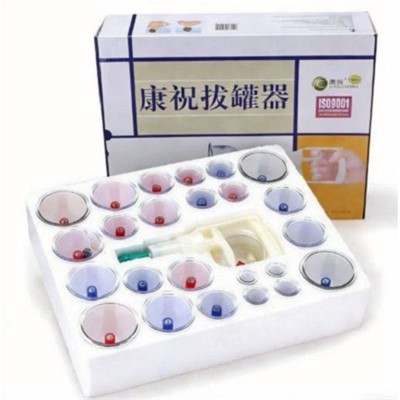
Irritable bowel syndrome (IBS) is a common gastrointestinal disorder that affects millions of people worldwide. Characterized by symptoms such as abdominal pain, bloating, diarrhea, and constipation, IBS can significantly impact a person’s quality of life. As a cupping therapy supplier, I’ve been frequently asked whether cupping therapy can be used for IBS. In this blog, I’ll explore the potential of cupping therapy in managing IBS based on scientific research and traditional wisdom. Cupping Therapy
Understanding Irritable Bowel Syndrome
Before delving into the potential of cupping therapy for IBS, it’s essential to understand the nature of this disorder. IBS is a functional gastrointestinal disorder, which means there are no structural abnormalities in the digestive tract. Instead, it is thought to be related to problems with how the brain and gut interact, leading to abnormal muscle contractions in the intestines and increased sensitivity to pain.
The exact cause of IBS remains unknown, but several factors are believed to contribute to its development, including diet, stress, gut microbiota, and genetic predisposition. The symptoms of IBS can vary widely from person to person and may come and go over time.
What is Cupping Therapy?
Cupping therapy is an ancient form of alternative medicine that originated in China and has been practiced for thousands of years. It involves placing cups on the skin to create suction, which is believed to stimulate blood flow, promote healing, and relieve pain. There are two main types of cupping: dry cupping and wet cupping.
In dry cupping, the cups are placed on the skin and the air inside is removed to create a vacuum. This causes the skin and underlying tissues to be drawn into the cup. Wet cupping, on the other hand, involves making small incisions in the skin before applying the cups to draw out a small amount of blood.
The Mechanisms of Cupping Therapy
The exact mechanisms by which cupping therapy works are not fully understood, but several theories have been proposed. One theory is that cupping stimulates blood flow to the treated area, which can help to deliver oxygen and nutrients to the tissues and remove waste products. This increased blood flow may also help to reduce inflammation and pain.
Another theory is that cupping therapy stimulates the nervous system, which can help to regulate the body’s functions. By stimulating the nerves in the skin, cupping may help to reduce stress and anxiety, which are known to exacerbate IBS symptoms.
Scientific Evidence for Cupping Therapy in IBS
While there is limited scientific research on the use of cupping therapy for IBS specifically, there is some evidence to suggest that it may be beneficial for other gastrointestinal disorders. For example, a study published in the Journal of Traditional Chinese Medicine found that cupping therapy was effective in reducing symptoms of functional dyspepsia, a condition characterized by indigestion, bloating, and nausea.
Another study published in the World Journal of Gastroenterology found that cupping therapy was effective in reducing pain and improving quality of life in patients with chronic low back pain. While this study did not specifically focus on IBS, it suggests that cupping therapy may have a beneficial effect on pain and inflammation in the body.
Traditional Wisdom and Cupping Therapy for IBS
In traditional Chinese medicine, IBS is often considered to be a result of an imbalance in the body’s qi (energy) and blood. Cupping therapy is believed to help restore this balance by promoting the flow of qi and blood throughout the body.
According to traditional Chinese medicine, the digestive system is closely related to the spleen and stomach, which are responsible for transforming and transporting food and nutrients. Cupping therapy can be used to stimulate these organs and improve their function, which may help to relieve IBS symptoms.
How Cupping Therapy May Help with IBS
There are several ways in which cupping therapy may help with IBS:
- Reducing stress and anxiety: Stress and anxiety are known to exacerbate IBS symptoms. Cupping therapy can help to reduce stress and anxiety by stimulating the nervous system and promoting relaxation.
- Improving blood flow: Cupping therapy can help to improve blood flow to the digestive organs, which can help to deliver oxygen and nutrients to the tissues and remove waste products. This increased blood flow may also help to reduce inflammation and pain.
- Regulating the gut microbiota: The gut microbiota plays an important role in the development and management of IBS. Cupping therapy may help to regulate the gut microbiota by promoting the growth of beneficial bacteria and reducing the growth of harmful bacteria.
- Relieving pain and discomfort: Cupping therapy can help to relieve pain and discomfort associated with IBS by stimulating the release of endorphins, which are natural painkillers.
Considerations and Precautions
While cupping therapy may have potential benefits for IBS, it is important to note that it is not a substitute for medical treatment. If you have IBS, it is important to consult with a healthcare professional before trying cupping therapy or any other alternative treatment.
Cupping therapy is generally considered safe when performed by a trained and experienced practitioner. However, there are some potential risks and side effects associated with cupping therapy, including bruising, skin irritation, and infection. It is important to choose a qualified practitioner who uses sterile equipment and follows proper safety procedures.
Conclusion
In conclusion, while there is limited scientific research on the use of cupping therapy for IBS, there is some evidence to suggest that it may be beneficial for other gastrointestinal disorders. Cupping therapy may help to reduce stress and anxiety, improve blood flow, regulate the gut microbiota, and relieve pain and discomfort associated with IBS.
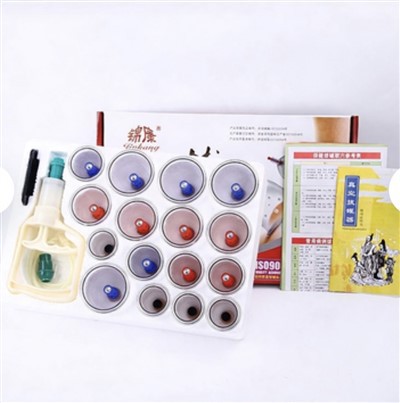
As a cupping therapy supplier, I believe that cupping therapy has the potential to be a valuable addition to the treatment of IBS. However, it is important to approach cupping therapy with caution and to consult with a healthcare professional before trying it.
Guasha If you are interested in learning more about cupping therapy or are considering using it for IBS, I encourage you to contact me to discuss your options. I can provide you with more information about cupping therapy and help you find a qualified practitioner in your area.
References
- Liu J, et al. Effect of cupping therapy on functional dyspepsia: a randomized controlled trial. Journal of Traditional Chinese Medicine. 2015;35(3):305-311.
- Wang X, et al. Efficacy of cupping therapy in the treatment of chronic low back pain: a systematic review and meta-analysis. World Journal of Gastroenterology. 2017;23(44):8041-8050.
Rightbest Medical Device Limited
We’re well-known as one of the leading cupping therapy manufacturers and suppliers in China, specialized in providing high quality customized products. We warmly welcome you to wholesale durable cupping therapy in stock here from our factory.
Address: 6F,No.303 Pingshui Road,Hangzhou,China
E-mail: info@cuppinghealth.com
WebSite: https://www.cuppinghealth.com/
