Hey everyone, if you’ve ever stared at a half-eaten jar of local honey, admired a sunflower patch crawling with busy yellow and black fuzzballs, or just appreciated that your favorite fruit salad exists, you have bumblebees and honeybees to thank. As someone who’s been in the beehive supply game for almost a decade—building custom hives, fixing wobbly brood boxes, and talking beekeepers off the ledge when their colonies start acting weird—I’ve seen firsthand how one tiny, common thing can throw the whole system off: pesticides. Let’s cut the jargon and talk real about what these chemicals actually do to a beehive, because this isn’t just a “save the bees” Instagram post—it’s the stuff that breaks or makes a beekeeper’s year. Beehive

First, let’s get one thing straight: not all pesticides are created equal. I’ve had new hobbyists come to my shop panicking because they sprayed their roses with “bug spray” and thought they killed their whole hive. Newsflash: the active ingredient matters way more than the bottle. The big bad ones here are neonicotinoids—think imidacloprid, clothianidin—because these are systemic, meaning they get absorbed into every part of the plant: roots, stems, leaves, petals, nectar, pollen. Bees don’t just land on a flower and get a quick spray on their back; they’re carrying around a tiny dose of this stuff every time they forage. And here’s the part most people don’t realize: it’s not an immediate poison (like if you sprayed a wasp nest at night) that kills a bee on the spot. It’s a slow, insidious attack that ripples through the whole colony, like a bad noise in your car that only shows up when you hit 60 mph.
Let’s start with the worker bees, because they’re the backbone of the hive. A forager bee might pick up a tiny amount of neonicotinoid-laced pollen or nectar, bring it back to the hive, and feed it to nurse bees, which in turn feed it to the baby bees (brood). Studies I’ve followed (shoutout to the entomology crew at my local land-grant university) show that even sub-lethal doses—way too small to kill an adult bee right away—mess with their navigation. Bees use the sun, landmarks, and that weird little internal compass thing to find their way home from up to 5 miles away. If their brains are foggy from pesticides? They get lost. I’ve seen hives where half the foragers never came back, and it wasn’t because they got eaten by a bird—it was because they couldn’t find the entrance. No foragers mean no food for the rest of the hive, and that’s a death sentence, especially in late summer when flowers are scarce.
Then there’s the nurse bees. The ones that tend to the larvae, keep the brood nest at 95 degrees (non-negotiable for baby bees to develop right), and make royal jelly for the queen. Pesticides mess with their ability to do their jobs. I remember a guy brought in a hive last year—all the adult bees seemed fine, but when we pulled out the brood frames, half the larvae were turning black and dying, and the few that did hatch were tiny, deformed, with crumpled wings that couldn’t hold them in the air. Turns out the homeowner had sprayed her vegetable garden with a neonic-based bug killer to kill aphids. The nurse bees had ingested the chemicals while processing contaminated pollen, and they couldn’t produce the right kind of food for the babies. The colony never recovered, and he ended up having to burn the hive to keep it from spreading to his other hives. That’s the worst part—pesticide exposure doesn’t just hurt one bee; it crashes the whole social structure of the hive.
And let’s not sleep on the queen. She’s the only one laying eggs, so if she goes, the colony goes. I’ve had beekeepers call me in a panic because their queen is acting weird, not laying, or dying unexpectedly. Sometimes it’s pesticide-related. Foragers bring back contaminated nectar, which the bees store in their honey reserves. The queen eats this honey (it’s her only food source besides royal jelly from nurses) and it messes with her reproductive system. One client’s queen stopped laying entirely, and when we replaced her, the new one thrived—turns out the old queen had been exposed to a sub-lethal dose that gassed her ovaries. Even worse, some pesticides weaken a bee’s immune system, making them way more susceptible to mites or diseases. I check every new hive I set up for varroa mites, but I’ve noticed hives near farm fields that use lots of pesticides have mites that spread faster, and the bees can’t fight them off. It’s like if you had a cold that never went away because your immune system was shot—these chemicals are that silent killer for bees.
Wait, but what about organic pesticides? A lot of hobbyists switch to neem oil or pyrethrins thinking they’re safe, and to be fair, they’re way less toxic than neonics. But I still caution against spraying them when bees are active. If you spray your tomato plants at 2 p.m. on a sunny day, right when the bumblebees are buzzing around the blooms, you’ll kill a bunch of foragers on contact. I had a customer last month who sprayed her squash plants in the morning before work, and by the time she got home, half her hive was dead. She thought organic meant safe for bees, but timing is everything. The best move is to spray pesticides, even organic ones, at dusk when all the bees are back in the hive. That way, you don’t hit the foragers, and any residue on the plant will dry before they start foraging again the next day. It’s a small step, but it makes a huge difference.
Now, let’s talk about the bigger picture stuff, because as a beehive supplier, I don’t just sell boxes and frames—I care about the whole ecosystem. Bees aren’t just pollinators for flowers; they’re responsible for 1 in 3 bites of food we eat. Apples, almonds, blueberries, broccoli, even coffee—all of it depends on bees. When pesticides mess with hives, we’re not just losing bees; we’re losing access to affordable, fresh produce. I’ve seen towns where local orchards can’t rent enough bee colonies to pollinate their crops because the hives in the area are too weak from pesticide exposure. The orchard has to import hives from across the country, which is more expensive, and that cost gets passed down to you at the grocery store. It’s a domino effect that starts with a single spray bottle.
But here’s the good part—this isn’t a lost cause. I’ve seen hives bounce back from pesticide exposure if caught early. The key is catching the signs before it’s too late. What should you look for? If you see lots of foragers getting lost around the hive entrance—walking in circles, bumping into the sides, instead of zooming straight in. If the brood has weird, patchy patterns (instead of that solid, organized grid of larvae). If a lot of bees have deformed wings, or the hive is losing more bees than it’s gaining on a daily basis. If you notice these signs, the first step is to move the hive to an area with lots of uncontaminated flowers—away from farm fields, manicured lawns that get sprayed, or neighborhood gardens with bug spray. Then, you can requeen if needed, and feed them sugar water mixed with a little bit of apple cider vinegar (safe for bees, helps them flush out toxins) to give them a boost. I’ve helped dozens of beekeepers get their hives back on track with these steps, so it’s not all doom and gloom.
As someone who’s been in this game for years, I get it. Sometimes you need to spray your yard to kill weeds, or your garden to kill aphids—you don’t want bugs eating your food too. But the middle ground is possible. Talk to your local garden center about bee-safe pesticides, or use integrated pest management (IPM) instead of reaching for a bottle every time you see a bug. IPM means you only treat when you have a real problem, not as a preventative, and you use the least toxic option first. For aphids, sometimes a strong spray of water from the hose works better than bug spray. For weeds, pulling them by hand or using corn gluten meal is way safer than glyphosate. It’s a shift in habit, but it’s worth it for the bees—and for your garden, honestly.
If you’re thinking about getting into beekeeping, or you already have hives that are struggling, I’m here to help. I build custom hives that are designed to keep colonies healthy, stock them with top-quality frames and bees from local stock (which is more resistant to stressors like pesticides), and offer consultations for new beekeepers. I also sell all the supplies you need—feeders, smokers, protective gear, even supplements to help your hives build up their strength. If you’re tired of seeing your hives fail, or you just want to make sure you’re doing right by your bees, reach out—we can chat about your setup, the flowers in your area, and what steps you can take to keep your colonies thriving.
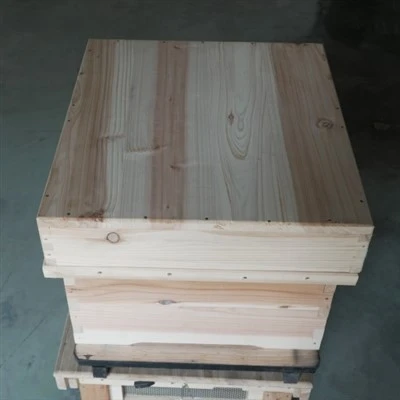
At the end of the day, beehives are like little cities. Every bee has a job, every part relies on the others, and one small outside stressor can throw everything off. Pesticides aren’t the only threat to bees—climate change, habitat loss, mites are all big ones—but they’re a manageable one. It’s all about making small, smart choices, and knowing what to look for when something’s off. If you’re ready to take care of your bees, or you want to invest in a healthy hive that can handle whatever comes its way, get in touch. Let’s talk, no sales pitch, just real talk from someone who’s been doing this long enough to know what works and what doesn’t.
Coffin References:
- Henry, M., et al. (2012). "A common pesticide decreases foraging success and survival in honey bees." Science, vol. 336, no. 6079, pp. 348-350.
- Larson, J. L., et al. (2013). "The effects of sublethal doses of neonicotinoid insecticides on honey bee (Apis mellifera) behavior and physiology." Journal of Economic Entomology, vol. 106, no. 6, pp. 2508-2518.
- Tsvetkov, N., et al. (2017). "Chronic exposure to neonicotinoids reduces honey bee survival and impairs memory." Science, vol. 355, no. 6327, pp. 101-103.
- U.S. Environmental Protection Agency. (2021). "Pesticide Exposure and Pollinator Health: A Review of Current Science." EPA Office of Chemical Safety and Pollution Prevention.
- vanEngelsdorp, D., et al. (2009). "Colony collapse disorder: A descriptive study." PLoS ONE, vol. 4, no. 7, e6481.
Dongming Dasheng Wood Industry Co., Ltd.
We are one of the most professional beehive manufacturers and suppliers in China. With abundant experience, we warmly welcome you to wholesale customized beehive made in China here from our factory. If you have any enquiry about cooperation, please feel free to email us.
Address: East side of Matou Town Government, Dongming County
E-mail: dmds2001@126.com
WebSite: https://www.dashengwood.com/
