As a supplier of chiller units, I’ve had the privilege of witnessing firsthand the diverse factors that influence the performance of these essential pieces of equipment. Chiller units are widely used in various industries, from commercial buildings to industrial processes, to remove heat and maintain a comfortable and efficient working environment. Understanding the factors that affect their performance is crucial for ensuring optimal operation, energy efficiency, and cost savings. In this blog post, I’ll delve into the key factors that can impact the performance of a chiller unit and provide insights on how to mitigate potential issues. Chiller Unit
Refrigerant Properties
Refrigerants play a central role in the cooling process of a chiller unit. The type of refrigerant used, its properties, and its charge level can significantly affect the unit’s performance. Different refrigerants have varying thermodynamic properties, such as boiling point, latent heat of vaporization, and specific heat capacity, which determine their ability to absorb and release heat. For example, refrigerants with a lower boiling point are more effective at absorbing heat from the environment, while those with a higher latent heat of vaporization can remove more heat per unit mass.
In recent years, there has been a growing emphasis on using environmentally friendly refrigerants with low global warming potential (GWP) and ozone depletion potential (ODP). While these refrigerants offer significant environmental benefits, they may also have different performance characteristics compared to traditional refrigerants. For instance, some low-GWP refrigerants may have lower heat transfer coefficients, which can reduce the efficiency of the chiller unit. Therefore, it’s essential to carefully select the appropriate refrigerant based on the specific application requirements and to ensure that the chiller unit is properly designed and optimized for the chosen refrigerant.
Another critical aspect of refrigerant management is maintaining the correct refrigerant charge level. An undercharged or overcharged refrigerant system can lead to a range of performance issues, including reduced cooling capacity, increased energy consumption, and compressor damage. Regular refrigerant level checks and proper charging procedures are essential to ensure optimal performance and prevent costly repairs.
Compressor Efficiency
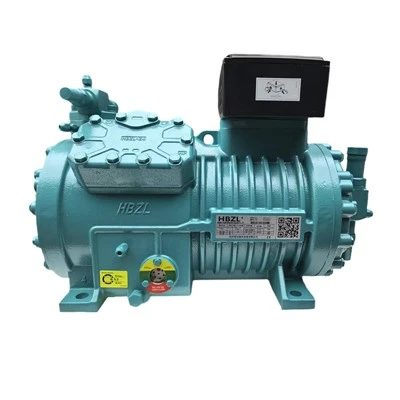
The compressor is the heart of a chiller unit, responsible for compressing the refrigerant and circulating it through the system. The efficiency of the compressor has a direct impact on the overall performance and energy consumption of the chiller unit. Compressor efficiency is typically measured by its coefficient of performance (COP), which is the ratio of the cooling capacity to the power input. A higher COP indicates a more efficient compressor, which can provide greater cooling output with less energy consumption.
Several factors can affect compressor efficiency, including the compressor type, size, and operating conditions. Centrifugal compressors, for example, are known for their high efficiency at full load but may experience reduced efficiency at part load. On the other hand, screw compressors offer better part-load performance but may have lower full-load efficiency. Selecting the appropriate compressor type and size for the specific application is crucial to ensure optimal performance and energy efficiency.
In addition to the compressor type and size, the operating conditions of the compressor can also significantly impact its efficiency. Factors such as suction and discharge pressures, compressor speed, and refrigerant temperature can all affect the compressor’s performance. Maintaining proper operating conditions, such as keeping the suction pressure within the recommended range and ensuring adequate lubrication, is essential to maximize compressor efficiency and prevent premature wear and tear.
Heat Exchanger Performance
Heat exchangers are another critical component of a chiller unit, responsible for transferring heat between the refrigerant and the cooling medium (such as water or air). The performance of the heat exchangers can have a significant impact on the overall efficiency and cooling capacity of the chiller unit. Heat exchanger performance is typically measured by its heat transfer coefficient, which is a measure of how effectively heat is transferred between the two fluids.
Several factors can affect heat exchanger performance, including the design and construction of the heat exchanger, the flow rate and temperature of the fluids, and the presence of fouling or scaling on the heat transfer surfaces. Proper heat exchanger design, including the selection of the appropriate tube and fin materials, tube geometry, and flow configuration, is crucial to ensure optimal heat transfer efficiency. Additionally, maintaining proper flow rates and temperatures of the fluids is essential to prevent any performance degradation.
Fouling and scaling on the heat transfer surfaces can also significantly reduce heat exchanger performance over time. Fouling can occur due to the accumulation of dirt, debris, and other contaminants on the heat transfer surfaces, while scaling can occur due to the deposition of minerals and other salts from the cooling medium. Regular cleaning and maintenance of the heat exchangers are essential to prevent fouling and scaling and to ensure optimal performance.
Water Quality
In water-cooled chiller units, the quality of the cooling water can have a significant impact on the performance and reliability of the chiller unit. Poor water quality can lead to a range of issues, including corrosion, scaling, fouling, and biological growth, which can all reduce the efficiency of the heat exchangers, increase energy consumption, and cause damage to the chiller components.
Corrosion is one of the most common problems associated with poor water quality. When the cooling water contains high levels of dissolved oxygen, chlorides, or other corrosive substances, it can react with the metal surfaces of the heat exchangers and other components, leading to the formation of rust and other corrosion products. This can not only reduce the heat transfer efficiency of the heat exchangers but also cause leaks and other structural damage to the chiller unit.
Scaling is another common issue that can occur when the cooling water contains high levels of dissolved minerals, such as calcium and magnesium. When the water is heated or evaporated, these minerals can precipitate out of the solution and form hard, scale deposits on the heat transfer surfaces. Scaling can significantly reduce the heat transfer efficiency of the heat exchangers, increase energy consumption, and cause blockages in the piping and other components.
Fouling and biological growth can also occur in the cooling water system, especially if the water is not properly treated or maintained. Fouling can occur due to the accumulation of dirt, debris, and other contaminants on the heat transfer surfaces, while biological growth can occur due to the presence of bacteria, algae, and other microorganisms in the water. These fouling and biological growths can reduce the heat transfer efficiency of the heat exchangers, increase energy consumption, and cause unpleasant odors and other problems.
To prevent these issues, it’s essential to maintain proper water quality in the cooling water system. This includes regular water testing, treatment with appropriate chemicals, and proper filtration and purification. By ensuring that the cooling water is of high quality, you can help to extend the life of the chiller unit, improve its performance, and reduce energy consumption and operating costs.
System Design and Installation
The design and installation of the chiller unit and its associated system can also have a significant impact on its performance. A well-designed and properly installed system can ensure optimal operation, energy efficiency, and reliability, while a poorly designed or installed system can lead to a range of issues, including reduced cooling capacity, increased energy consumption, and premature equipment failure.
When designing a chiller system, it’s essential to consider the specific application requirements, such as the cooling load, ambient conditions, and available space. The chiller unit should be properly sized to meet the cooling demand, taking into account any future growth or changes in the load. Additionally, the system layout should be optimized to minimize pressure drops, reduce piping losses, and ensure proper flow distribution to the heat exchangers.
Proper installation of the chiller unit and its associated components is also crucial to ensure optimal performance. The unit should be installed on a level and stable surface, and all connections should be properly tightened and sealed to prevent leaks. The piping system should be installed in accordance with the manufacturer’s recommendations, and all valves and fittings should be properly sized and installed to ensure proper flow control.
Maintenance and Service
Regular maintenance and service are essential to ensure the long-term performance and reliability of a chiller unit. A well-maintained chiller unit can operate more efficiently, consume less energy, and require fewer repairs over its lifespan. Maintenance tasks typically include inspecting and cleaning the heat exchangers, checking the refrigerant level and pressures, lubricating the moving parts, and testing the control systems.
In addition to regular maintenance, it’s also important to schedule periodic service and tune-ups by a qualified technician. A professional technician can perform a comprehensive inspection of the chiller unit, identify any potential issues, and make the necessary repairs and adjustments. They can also provide valuable advice on how to optimize the performance of the chiller unit and reduce energy consumption.
Conclusion
In conclusion, the performance of a chiller unit is influenced by a variety of factors, including refrigerant properties, compressor efficiency, heat exchanger performance, water quality, system design and installation, and maintenance and service. By understanding these factors and taking appropriate measures to address them, you can ensure optimal performance, energy efficiency, and reliability of your chiller unit.

As a chiller unit supplier, we are committed to providing our customers with high-quality products and comprehensive support services. Our team of experienced engineers and technicians can help you select the right chiller unit for your specific application, design and install a customized system, and provide ongoing maintenance and service to ensure optimal performance. If you are interested in learning more about our chiller units or have any questions about chiller performance, please don’t hesitate to contact us for a consultation. We look forward to working with you to meet your cooling needs.
Water-Cooled Condensing Unit References
- ASHRAE Handbook – HVAC Systems and Equipment, American Society of Heating, Refrigerating and Air-Conditioning Engineers, Inc.
- Refrigeration and Air Conditioning Technology, William C. Whitman, William M. Johnson, Joe Tomczyk, and Eugene Silberstein
- Chiller Systems Operation and Maintenance, Trane Technologies
Zhejiang Xuanyuntong Refrigeration Technology Co., Ltd.
Zhejiang Xuanyuntong Refrigeration Technology Co., Ltd. is one of the most experienced chiller unit manufacturers and suppliers in China. We warmly welcome you to wholesale high quality chiller unit made in China here from our factory. Also, custom service is available.
Address: South Side, No. 9 Zhongyuan, Pukou Sub-district, Shengzhou City, Shaoxing City, Zhejiang Province, China
E-mail: admin@xytrefrigeration.com
WebSite: https://www.xytrefrigeration.com/
