Optical level sensors have emerged as a revolutionary technology in the field of level measurement. As a leading supplier of optical level sensors, I am excited to share with you the numerous advantages that these sensors offer. In this blog post, I will delve into the key benefits of optical level sensors, ranging from their accuracy and reliability to their versatility and cost – effectiveness. Optical Level Sensor
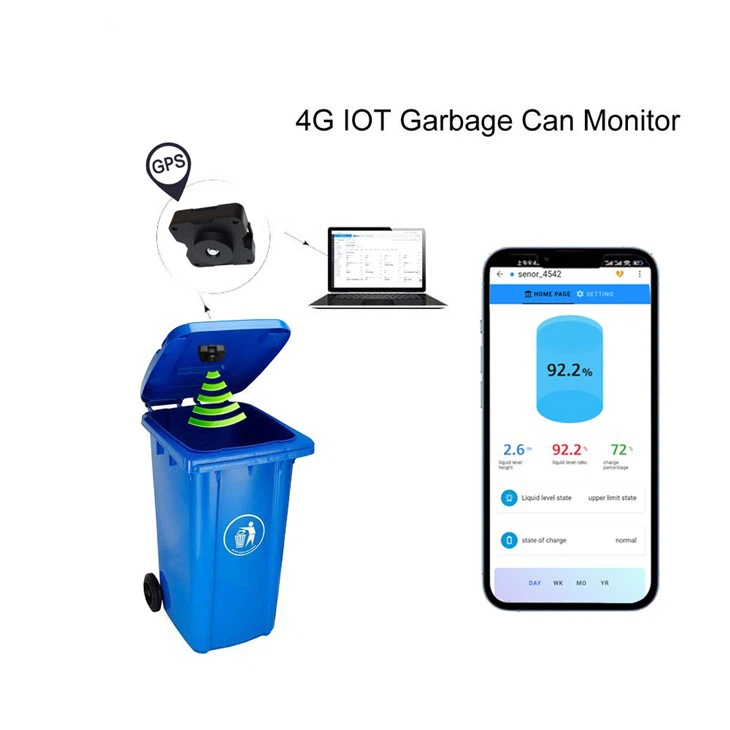
Accuracy
One of the most significant advantages of optical level sensors is their high level of accuracy. These sensors operate based on the principle of light reflection or refraction. When light is emitted into the substance whose level is being measured, the amount of light that is reflected or refracted back to the sensor changes depending on the presence or absence of the substance at the sensing point.
This optical technology allows for extremely precise measurements. For example, in applications where the level of a liquid in a tank needs to be monitored with great precision, such as in the pharmaceutical industry where the exact volume of a drug solution is critical, optical level sensors can provide accurate readings within a very small margin of error. They can detect even the slightest changes in the liquid level, ensuring that processes are carried out with the highest level of precision.
In contrast to some other types of level sensors, such as float – type sensors, which can be affected by the density and viscosity of the liquid, optical level sensors are less prone to such interferences. This makes them more reliable in providing accurate measurements across a wide range of substances, including liquids with different densities and viscosities.
Reliability
Reliability is a crucial factor in any level – sensing application. Optical level sensors are known for their long – term reliability. They have no moving parts, which significantly reduces the risk of mechanical failure. In traditional sensors with moving components, such as mechanical switches or float – type sensors, wear and tear over time can lead to malfunctions. This is not the case with optical level sensors.
Moreover, optical level sensors are resistant to harsh environmental conditions. They can operate effectively in extreme temperatures, high humidity, and corrosive environments. For instance, in industrial chemical storage tanks where the liquids can be highly corrosive, optical level sensors can withstand the chemical attack better than many other sensor types. Their electronic components are often protected by robust enclosures, making them suitable for use in challenging industrial settings.
Another aspect of their reliability is their fast response time. Optical level sensors can detect changes in the liquid level almost instantaneously. This is particularly important in applications where rapid level changes need to be monitored, such as in fuel tanks for aerospace or automotive applications. Quick response times ensure that any potential issues, such as leaks or overfills, can be detected and addressed promptly.
Versatility
Optical level sensors are incredibly versatile and can be used in a wide variety of applications. They can be employed to measure the level of liquids, powders, and granular materials. In the food and beverage industry, for example, they can be used to monitor the level of milk, juice, or other liquid products in storage tanks. They can also be used in the agricultural sector to measure the level of grains in silos.
These sensors can be installed in different types of containers, including tanks, pipes, and vessels, regardless of their shape and size. They can be easily integrated into existing systems, whether they are small – scale laboratory setups or large – scale industrial processes. For instance, in a chemical processing plant, optical level sensors can be seamlessly integrated into the control system to provide real – time level data for automation and process optimization.
Optical level sensors also offer multiple mounting options. They can be mounted horizontally, vertically, or at an angle, depending on the specific requirements of the application. This flexibility makes them suitable for a wide range of installation scenarios, ensuring that they can be adapted to fit the unique needs of different users.
Non – Contact Measurement
One of the standout features of optical level sensors is their ability to perform non – contact measurement. This is a significant advantage in many applications, especially those involving hazardous or sensitive substances. Non – contact measurement means that the sensor does not come into direct contact with the substance being measured.
In the case of measuring the level of radioactive materials or highly toxic chemicals, non – contact optical level sensors eliminate the risk of contamination and damage to the sensor itself. They also reduce the need for maintenance and replacement, as there is no physical contact that could cause wear and tear.
For applications where the substance needs to be kept sterile, such as in the biotechnology industry, non – contact measurement is essential. Optical level sensors can monitor the liquid level in bioreactors without introducing any contaminants, ensuring the integrity of the biological processes.
Cost – Effectiveness
When considering the overall cost of a level – sensing solution, optical level sensors offer excellent cost – effectiveness. Although the initial purchase price of optical level sensors may be slightly higher than some basic sensor types, their long – term cost benefits are significant.
As mentioned earlier, their reliability and long lifespan mean that they require less frequent replacement and maintenance. This reduces the ongoing costs associated with sensor upkeep. Additionally, their high accuracy and fast response time can lead to improved process efficiency, which can result in cost savings in the long run.
For example, in a manufacturing plant, accurate level measurement with optical level sensors can prevent overfills and spills, reducing waste and the associated costs of cleanup and product replacement. In the energy sector, efficient level monitoring of fuel tanks can optimize fuel consumption and reduce overall energy costs.
Easy Installation and Integration
Optical level sensors are relatively easy to install. They typically come with clear installation instructions, and their compact design allows for easy placement in various locations. Most optical level sensors can be connected to a control system using standard electrical connections, such as wires or cables.
They can also be easily integrated with other devices and systems. For example, they can be connected to a programmable logic controller (PLC) or a supervisory control and data acquisition (SCADA) system. This integration enables seamless data transfer and real – time monitoring, allowing operators to make informed decisions based on the level data.
Furthermore, many optical level sensors are designed with built – in features such as adjustable sensitivity and output signals, making it easy to customize their operation according to the specific requirements of the application. This simplifies the installation and setup process, saving time and effort for users.
Low Power Consumption
In today’s world, energy efficiency is a key consideration. Optical level sensors consume relatively low power compared to some other types of sensors. This makes them an ideal choice for applications where power supply is limited or where energy conservation is a priority.
In remote monitoring applications, such as in environmental monitoring stations or off – grid industrial sites, the low power consumption of optical level sensors allows them to operate for extended periods on battery power or solar energy. This reduces the need for frequent battery replacements or complex power supply systems, making the overall monitoring solution more sustainable and cost – effective.
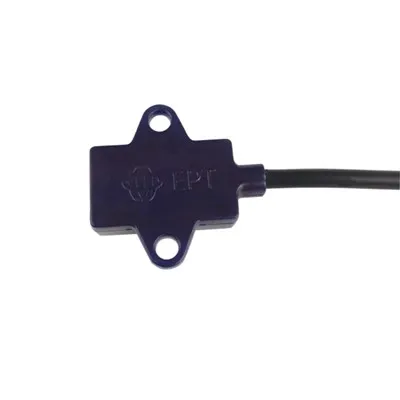
In conclusion, optical level sensors offer a wide range of advantages, including high accuracy, reliability, versatility, non – contact measurement, cost – effectiveness, easy installation and integration, and low power consumption. These benefits make them an excellent choice for a variety of level – sensing applications across different industries.
Ultrasonic Tank Level Sensor If you are looking for a reliable and efficient level – sensing solution, I encourage you to consider our optical level sensors. Our team of experts is ready to assist you in selecting the right sensor for your specific needs. Whether you are in the pharmaceutical, chemical, food and beverage, or any other industry, our optical level sensors can provide the accurate and reliable level measurement you require. Contact us today to start a discussion about your level – sensing requirements and explore how our products can benefit your operations.
References
- "Level Measurement Technology Handbook", by Peter W. Spitzer
- "Industrial Sensors: Theory, Characteristics, and Applications", by Ramesh K. Agarwal
- Various industry – specific research papers on level sensing and optical sensor technology
Shenzhen Fineherc Technology Co., Ltd.
As one of the most experienced optical level sensor suppliers in China, we’re featured by quality products and low price. Please feel free to buy discount optical level sensor made in China here from our factory. Welcome to view our website for more information.
Address: 5th Floor, Building D, No. 39, Keji East Road, Torch Development Zone, Zhongshan City,China
E-mail: fineherc@hotmail.com
WebSite: https://www.fineherc.com/
