Hey there! As a supplier of anodes for cathodic protection, I’ve been diving deep into the relationship between anode output and cathodic protection for quite a while. In this blog, I’m gonna break down this relationship in simple terms, so you can get a better understanding of how these two things work hand in hand. Anode for Cathodic Protection
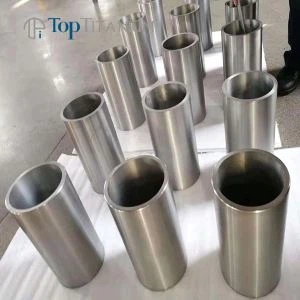
First off, let’s talk about what cathodic protection is. It’s a technique used to control the corrosion of a metal surface by making it the cathode of an electrochemical cell. In simpler words, it’s like giving your metal a shield to protect it from rust and other forms of corrosion. This is super important in a bunch of industries, like oil and gas, marine, and infrastructure, where metal structures are constantly exposed to harsh environments.
Now, the anode is a crucial part of the cathodic protection system. An anode is a metal or alloy that corrodes in place of the protected metal. When an anode is connected to the metal structure that needs protection, it creates an electrical circuit. The anode sacrifices itself by corroding, which in turn protects the metal structure from corrosion.
So, what’s the deal with anode output? Anode output is basically the amount of electrical current that the anode can supply to the protected structure. This current is what drives the cathodic protection process. The higher the anode output, the more protection it can provide to the metal structure.
There are a few factors that can affect anode output. One of the main factors is the type of anode material. Different anode materials have different electrochemical properties, which means they can produce different amounts of current. For example, magnesium anodes are known for their high output and are often used in environments where a lot of protection is needed, like in soil with low resistivity. On the other hand, zinc anodes have a lower output but are more suitable for marine environments because they are more resistant to corrosion in saltwater.
The size and shape of the anode also play a role in its output. Generally, larger anodes can produce more current than smaller ones. The shape of the anode can also affect how the current is distributed. For example, a long, thin anode might distribute the current more evenly along a pipeline than a short, fat anode.
The environment in which the anode is installed is another important factor. The resistivity of the soil or water around the anode can affect how easily the current can flow. In areas with high resistivity, the anode might have to work harder to produce the same amount of current as it would in an area with low resistivity. Temperature can also have an impact on anode output. Higher temperatures can increase the rate of corrosion, which means the anode might produce more current, but it can also wear out faster.
Now, let’s get into why the relationship between anode output and cathodic protection is so important. If the anode output is too low, it won’t be able to provide enough protection to the metal structure. This means that the metal could still corrode, even though it’s connected to a cathodic protection system. On the other hand, if the anode output is too high, it can cause overprotection, which can also be a problem. Overprotection can lead to the production of hydrogen gas, which can make the metal brittle and more likely to fail.
So, finding the right balance of anode output is crucial for effective cathodic protection. This is where our expertise as an anode supplier comes in. We have a wide range of anode materials, sizes, and shapes to choose from, and we can help you select the right anode for your specific application.
We also offer testing and monitoring services to make sure that your cathodic protection system is working properly. By regularly checking the anode output and other parameters, we can detect any issues early on and make adjustments as needed. This helps to ensure that your metal structures are protected for as long as possible.
In addition to providing high-quality anodes and services, we’re also committed to customer satisfaction. We understand that every customer’s needs are different, and we’re here to work with you to find the best solution for your project. Whether you’re a small business or a large corporation, we have the knowledge and resources to help you protect your assets.
If you’re interested in learning more about our anodes for cathodic protection or have any questions about the relationship between anode output and cathodic protection, don’t hesitate to reach out. We’d love to have a chat with you and discuss how we can help you with your corrosion protection needs.
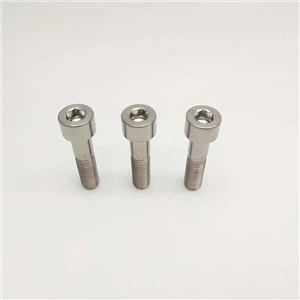
In conclusion, the relationship between anode output and cathodic protection is a crucial one. By understanding how these two things work together and choosing the right anode for your application, you can ensure that your metal structures are protected from corrosion for years to come. So, if you’re in need of anodes for cathodic protection, give us a shout. We’re here to help you keep your assets safe and sound.
Titanium Anode for Electroplating References:
- Fontana, M. G. (1986). Corrosion Engineering. McGraw-Hill.
- Uhlig, H. H., & Revie, R. W. (1985). Corrosion and Corrosion Control. Wiley-Interscience.
Baoji Top Titanium Industry Co., Ltd.
As one of the most professional anode for cathodic protection manufacturers and suppliers in China, we’re featured by quality products and good price. Please rest assured to buy bulk anode for cathodic protection in stock here and get quotation from our factory. Customized orders are welcome.
Address: No. 2, South Section Of Phoenix 2nd Road,High-Tech Zone, Baoji,Shaanxi, China (Mainland)
E-mail: sales@bjtopti.com
WebSite: https://www.china-topti.com/
