If you’ve ever grabbed a grocery bag, a laundry bin, a small cooler, or even a bulk pack of bottled water, you’ve used a plastic carry handle without stopping to think about how it’s made. As a supplier of plastic carry handles, I field this question almost every week: what types of plastics work best for these small, essential parts? The answer isn’t one-size-fits-all—each plastic brings unique benefits, tailored to how the handle will be used, what it’s attached to, and how much weight it needs to hold. Let’s break down the most common plastics for carry handles, why they matter, and what I recommend to customers based on their specific needs. Plastic Carry Handle
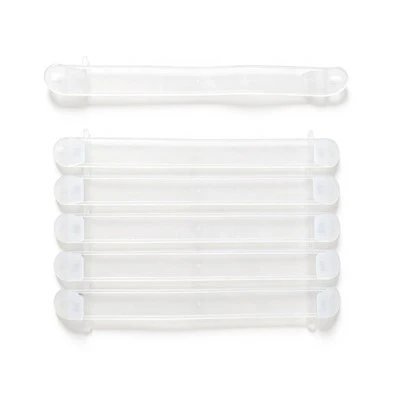
First, let’s get one thing straight: not all plastics are equal when it comes to carry handles. This isn’t a case where any cheap, flexible plastic will do. Handles take a lot of repeated stress—being lifted, dropped, twisted, and loaded with heavy items—so they need to balance strength, flexibility, and resistance to things like temperature changes, moisture, and even mild chemicals. That’s why manufacturers almost always stick to a handful of engineered plastics, not general-purpose packaging plastics. Let’s start with the most widely used one in my inventory, polypropylene (PP), and why it’s the workhorse of the handle industry.
Polypropylene is a thermoplastic polymer, meaning it softens when heated for molding and hardens when cooled, which makes it perfect for the injection molding process that 90% of plastic carry handles use. What makes PP so ideal for handles? First, its high tensile strength—it can stretch a little before breaking, which is crucial for absorbing shock when you lift a full bag. It’s also lightweight, which keeps the total weight of the product it’s attached to low—nobody wants a handle that adds extra ounces to a 10-pound grocery bag. PP is also resistant to moisture, so it won’t degrade if it’s sitting in a damp garage or used on a bucket of water, and it can handle temperatures from around -20°F to 220°F, making it suitable for everything from frozen food packaging to outdoor coolers.
I see three main grades of PP used for carry handles, and each serves a different customer base. Homopolymer PP is the stiffer, more rigid type, great for handles that are attached to hard containers like plastic storage bins or laundry baskets. Copolymer PP, which has been mixed with small amounts of another polymer to add flexibility, is my top seller for grocery and retail bags—this is the kind of handle you’d find on a 24-pack of soda bottles, bending gently as you lift it without snapping. Then there’s impact copolymer PP, reinforced with rubber-like particles, which is my go-to for heavy-duty handles used on industrial bulk containers or moving boxes that might be dropped or banged around. The only downside to PP? It’s not the most scratch-resistant plastic, so if a product is meant to look sleek for retail display, I’ll often suggest another option instead.
Next up, low-density polyethylene (LDPE) and high-density polyethylene (HDPE)—the two members of the polyethylene family. Wait, I know what you’re thinking: polyethylene is the stuff of plastic bags, right? How can that be used for carry handles? It’s all about the grade. LDPE is softer and more flexible than HDPE, which makes it perfect for thin, disposable carry handles, like the little plastic loops that hold a pack of bread or a case of wine together. The great thing about LDPE handles is that they’re extremely low cost, which is why they’re used for single-use packaging. But they do have a downside: they’re not as strong as PP, so they can snap if overloaded, and they degrade faster when exposed to UV light, so they’re not suitable for outdoor products that get left in the sun.
HDPE, on the other hand, is denser, stiffer, and much stronger than LDPE. This is the polyethylene grade I use for semi-permanent handles, like the ones on plastic milk jugs or detergent bottles. HDPE handles hold up well to repeated use, resist moisture and most chemicals, and have a good balance of flexibility and strength. I often mix HDPE with a small amount of PP to tweak its properties, depending on the product—for example, adding a bit of flexibility to a milk jug handle so it’s comfortable to grip when the jug is full, but not so much that it sags under weight. HDPE is also more UV-resistant than LDPE, so it works for outdoor items like garden tool containers or patio storage bins.
Then there’s acrylonitrile butadiene styrene (ABS)—the plastic you find in everything from toy cars to vacuum cleaner casings. It’s not the most common plastic for carry handles, but it’s essential for certain specialized applications. ABS is incredibly tough, impact-resistant, and rigid, which makes it perfect for heavy-duty handles that need to withstand extreme conditions. For example, if a customer is making a high-end rolling cooler for camping that needs to hold 100 pounds of ice and gear, or a medical storage cart handle that gets pushed around a busy hospital, ABS is the way to go. It’s also scratch-resistant and can be molded into complex shapes, which is why I use it for handles that need a sleek, branded look for premium products. The tradeoff? ABS is more expensive than PP or HDPE, and it’s heavier, so it’s not ideal for lightweight consumer packaging.
Wait, there’s one more plastic I should mention, though it’s less common for carry handles: nylon (polyamide). Nylon is an extremely strong, durable plastic, with high tensile strength and resistance to heat and abrasion. It’s often used for handles on heavy industrial equipment, like construction toolboxes or large shipping crates, that need to handle constant heavy lifting and exposure to rough conditions. Nylon handles can last for years, even with repeated use and exposure to oil or other chemicals, which makes them worth the higher cost for specialized applications. But because it’s more expensive and harder to mold, it’s not something I keep in stock for standard consumer or retail handles—it’s a custom order item for customers with very specific needs.
Now, a lot of customers ask me: why not use recycled plastics for carry handles? It’s a fair question, especially as more people focus on sustainability. The short answer is that recycled plastics work, but only if they’re properly sorted and processed. For example, recycled PP or HDPE can be used for many standard carry handles, as long as the recycled material is free of contaminants from other plastics or food residue. I’ve worked with several customers who switched to 100% recycled PP handles for their grocery packaging, and the difference in strength and performance is barely noticeable. That said, recycled plastics can sometimes be less consistent in their properties than virgin plastics—so for heavy-duty applications where consistency is key, I still recommend virgin grades, and then offer recycled options for customers whose top priority is reducing their environmental footprint.
Another thing I always discuss with customers is the difference between snap-in handles and loop handles, and how that ties into plastic type. Snap-in handles, which clip onto the edges of a container, are almost always made from PP or HDPE because they need to be flexible enough to snap into place but strong enough to hold the container securely. Loop handles, which are separate and often attached with fasteners, can use ABS or even nylon for heavy-duty use, since they don’t need to clip into a container on their own.
As a supplier, the key to helping customers choose the right plastic for their carry handle is asking a few simple questions: how much weight will the handle need to hold? Will it be used indoors or outdoors? Is it a single-use item or meant to last for years? Does it need to be lightweight for shipping, or durable for repeated handling? For example, a local bakery I work with needed handles for their bulk bread packs—they wanted low cost, flexible, and able to hold 10 pounds of bread, so I recommended a flexible copolymer PP handle. A sporting goods client needed handles for their line of heavy-duty coolers, so we went with impact copolymer PP reinforced with a small amount of rubber, and a few special orders of ABS for their premium, high-capacity coolers.
I also always mention the environmental tradeoffs of each plastic. PP and HDPE are both recyclable, though their recyclability depends on local facilities—many curbside recycling programs accept both, as long as they’re clean. LDPE is accepted by far fewer curbside programs, though more specialized recycling centers handle it, which is why I recommend it only for single-use disposable items where cost is the top priority. ABS and nylon, being more engineered plastics, are often harder to recycle, so I reserve them for applications where durability is worth the lower recyclability rate.
At the end of the day, carry handles are a small part of a product, but they have a huge impact on how functional and reliable that product is. Choosing the right plastic isn’t just about cost—it’s about making sure a bag doesn’t snap when you load it with groceries, a storage bin handle doesn’t break when you’re moving seasonal clothes, or a cooler handle holds up on a camping trip. As a supplier, my job is to walk through all these options with customers, explain the pros and cons of each plastic, and help them pick something that works for their budget, their product, and their values.
If you’re in the market for custom or standard plastic carry handles, or you just have more questions about which plastic is right for your product, don’t hesitate to reach out. I’ve worked with everyone from small local businesses to large national brands, and I’m always happy to share what I’ve learned over the years about making durable, reliable carry handles that work for every use case. The right handle makes all the difference between a frustrating shopping trip and a smooth, easy experience—let’s make sure your product has the right one.
Plastic Hand Strap References
Plastics Europe. (2022). "Polypropylene: Properties and Applications." European Plastics Manufacturers Association.
American Chemistry Council. (2021). "High-Density Polyethylene (HDPE) for Packaging and Consumer Goods." ACC Plastics Division.
ASTM International. (2020). "Standard Test Method for Tensile Strength of Plastics for Load-Bearing Applications." ASTM D638-20.
Sustainable Packaging Coalition. (2023). "Recycled Plastics in Packaging: Guidelines for Performance and Safety." SPC Technical Report Series.
Tengzhou Fujin Plastic Products Co., Ltd.
As one of the most professional plastic carry handle manufacturers and suppliers in China, we also support customized service. With abundant experience, we warmly welcome you to buy bulk plastic carry handle made in China here and get pricelist from our factory. For price consultation, contact us.
Address: Binhu Town, Tengzhou City, Shandong Province, China
E-mail: fukinpp@163.com
WebSite: https://www.tzfujin.com/
