Hey there! As a supplier of laser modules, I often get asked about beam quality. So, I thought I’d take a moment to break it down and explain what it really means. Laser Module
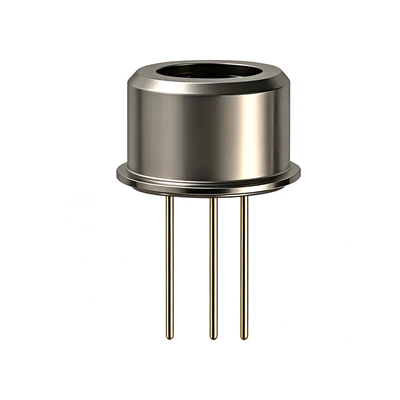
First off, let’s talk about what a laser module is. A laser module is a compact device that combines a laser diode, optics, and electronics to produce a focused beam of light. These modules are used in a wide range of applications, from industrial manufacturing to medical equipment, and even in consumer products like laser pointers.
Now, when we talk about the beam quality of a laser module, we’re essentially referring to how well the laser beam maintains its properties as it travels through space. There are a few key factors that determine beam quality, and understanding these factors is crucial for choosing the right laser module for your application.
One of the most important factors is beam divergence. Beam divergence refers to how much the laser beam spreads out as it travels away from the source. A laser beam with low divergence will stay focused over a longer distance, making it ideal for applications that require precise targeting or long-range projection. On the other hand, a beam with high divergence will spread out more quickly, which can be useful in applications where a wider area needs to be illuminated.
Another factor that affects beam quality is beam profile. The beam profile describes the shape of the laser beam as it exits the module. There are several different types of beam profiles, including Gaussian, flat-top, and doughnut-shaped. The choice of beam profile depends on the specific application. For example, a Gaussian beam is often used in applications where a focused spot is required, while a flat-top beam is better suited for applications that need a uniform distribution of light.
Beam stability is also an important consideration. A stable laser beam maintains its intensity, direction, and profile over time. Instabilities in the beam can cause problems in applications such as laser cutting or welding, where precision is critical. Factors that can affect beam stability include temperature changes, mechanical vibrations, and electrical fluctuations.
Polarization is another aspect of beam quality. Laser light can be polarized, which means that the electric field of the light waves oscillates in a specific direction. Polarized lasers are used in applications such as optical communication and microscopy, where the polarization state of the light can be used to control or analyze the light signal.
So, why does beam quality matter? Well, in many applications, the quality of the laser beam directly affects the performance and efficiency of the system. For example, in laser cutting, a high-quality beam with low divergence and a well-defined profile can result in cleaner cuts and less material waste. In medical applications, a stable and precisely focused beam can improve the accuracy of surgical procedures.
As a laser module supplier, I understand the importance of providing products with excellent beam quality. That’s why we invest a lot of time and resources in research and development to ensure that our laser modules meet the highest standards. We use advanced manufacturing techniques and rigorous testing procedures to guarantee that each module delivers a consistent and high-quality beam.
When you’re looking for a laser module, it’s important to consider the specific requirements of your application. Here are a few tips to help you choose the right module based on beam quality:
- Understand your application: Determine the specific tasks the laser module will be used for. This will help you identify the key beam quality factors that are most important for your application, such as divergence, profile, or stability.
- Look for specifications: Reputable laser module suppliers will provide detailed specifications for their products. Pay close attention to the beam quality parameters, such as beam divergence, M² factor (a measure of beam quality), and beam profile.
- Ask for samples: If possible, request samples of the laser modules you’re interested in. This will allow you to test the beam quality in your actual application and see if it meets your requirements.
- Consider the supplier’s reputation: Choose a supplier with a good reputation for quality and reliability. Read customer reviews and testimonials to get an idea of the supplier’s track record.
- Get technical support: A good supplier will offer technical support to help you choose the right laser module and troubleshoot any issues you may encounter. Make sure the supplier has knowledgeable staff who can answer your questions and provide guidance.
At our company, we’re committed to providing our customers with the best laser modules on the market. We offer a wide range of products with varying beam qualities to meet the needs of different applications. Whether you’re working on a small DIY project or a large industrial application, we have the right laser module for you.
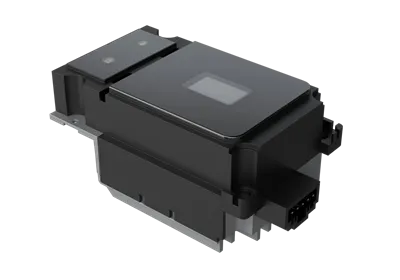
If you’re interested in learning more about our laser modules or have any questions about beam quality, don’t hesitate to get in touch. We’d love to have a chat with you and help you find the perfect solution for your needs. Just reach out to us, and our team of experts will be happy to assist you. We’re always here to help you make the most of your laser technology. Start a conversation with us today, and let’s work together to bring your ideas to life!
Module References
- J. T. Verdeyen, "Laser Electronics", Prentice Hall, 1995.
- W. Koechner, "Solid-State Laser Engineering", Springer, 2006.
UVLEDTEK Group
As one of the most professional laser module manufacturers and suppliers in China, our products have good reputation in the market. Please rest assured to buy high quality laser module at competitive price from our factory. For more information, contact us now.
Address: Huangshi Industrial Zone, Putian City, Fujian Province, China
E-mail: info@uvledtek.com
WebSite: https://www.uvledtek.com/
