Hey there, fellow procurement pros, project managers, and anyone who’s ever stared at a cable spec sheet and thought, “Wait, what even is the difference between this fiber composite low-voltage cable and the 5 others on the page?” Optical Fiber Composite Low-voltage Cable

If you’re here because you need to order optical fiber composite low-voltage cables (let’s just call them OFCLVCs from now on—way easier to type, right?) and you don’t want to waste time, money, or end up with a product that dies mid-install when it rains or gets chewed by rodents, you’re in the right spot. I’ve been in this game for 8 years, running a small but tight-knit cable supply team, so I’ve seen every horror story: a project delayed 3 weeks because someone ordered the wrong voltage rating, a fiber that snapped the second it was pulled through conduit, a cable that’s supposed to be for outdoor use but disintegrates in direct sunlight. Let’s cut the fluff and talk about how to actually order these things like a pro.
First off, let’s ground this: OFCLVCs aren’t your basic power cables with a random fiber taped on. They’re a single, integrated cable that carries low-voltage power (think 12V, 24V, up to 1kV max—way below the high-voltage power lines you see strung between poles) AND fiber optics for data. That means two critical things at once: you get power for things like security cameras, streetlights, or remote sensors, plus high-speed internet/communication all in one cable. No more digging two separate trenches—game changer for rural projects, smart city setups, or remote industrial sites. But with that dual purpose comes more specs to nail down than a regular power cable or a standalone fiber.
Let’s start with the non-negotiables you need to have figured out before you even reach out to a supplier like me. First, what’s the cable’s end use? That might sound silly, but it’s the foundation of every other decision. If you’re running this under a sidewalk for a smart parking meter system, that’s way different than stringing it between utility poles for a remote agricultural sensor network, or pulling it through conduit inside a building for office Wi-Fi extenders and undercabinet power. Each use case has totally different environmental and mechanical requirements, and skipping this step is how you get a cable that works… until it doesn’t.
Next up, voltage rating. This is make-or-break for the low-voltage part. A lot of people just pick whatever feels standard, but no—you need to match the exact voltage your devices run on. For example, if your security cameras are 24V DC, you don’t want a cable rated for 12V DC; it’ll overheat and be a fire hazard. And wait—there’s also something called “nominal voltage” vs. “maximum operating voltage.” Nominal is what the system is designed for, max is the highest it can handle without failing. Most low-voltage OFCLVCs I supply are rated for 300V nominal, which covers almost everything from small consumer devices to industrial low-voltage equipment, but I’ve had people order 600V rated ones by mistake because they saw “higher voltage” and thought it was better. No—if you don’t need that, you’re paying for extra insulation you don’t need. Waste of money, and heavier cable that’s harder to install.
Then the fiber part—this is the fun, techy part that a lot of first-time buyers skip, and it comes back to bite them. First, singlemode vs. multimode fiber. Let’s keep this simple: singlemode is for long distances—like over 500 meters, up to 10km or more. It’s the skinny fiber, usually yellow. Multimode is for short distances—under 500 meters, good for building-to-building links or small campus setups. It’s the orange or Aqua (that’s the new 10G+ standard) fiber. Now, how many fibers do you need? A lot of people play it safe and order 12 fibers, but that’s overkill if you only need 2 for cameras and 2 for sensors. Wait, but—pro tip from experience: order 2 extra fibers. Technology changes fast, and if your system expands in 2 years, you don’t have to dig up the whole trench to pull a new cable. I’ve had customers come back 3 years later saying “glad I ordered those extra fibers, saved me $10k in re-dig costs.” That’s worth the extra $50 or so upfront, right?
Now, the cable’s environment—this is where most of the bad orders come from. Are you putting this cable underground (direct-buried), aerial (hanging between poles), inside a building ( risers or plenum spaces), or even underwater? Each needs a totally different jacket and armor. Let’s break it down:
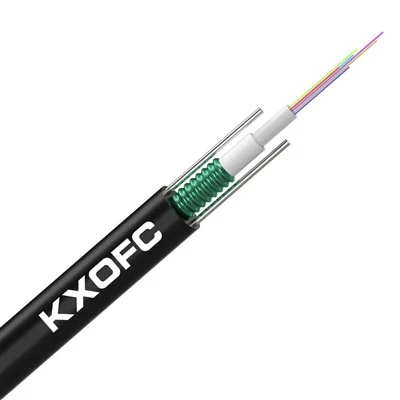
If it’s direct buried in dirt, go for a cable with a steel tape armor and a black PE (polyethylene) jacket. The armor stops rodents from chewing through the cable (squirrels, rats, even gophers love to snack on fiber), and the PE jacket is UV resistant and tough enough for rocks in the dirt. Aerial? You need a messenger wire—metal wire built into the cable to support its weight when it’s hanging between poles. No messenger wire, and your cable will sag, or even fall in a storm. Also, for aerial, make sure the jacket is UV stabilized, because it’s out in the sun 24/7. Inside a building? If it’s going through plenum spaces (the areas above ceilings or below floors for air circulation, like in office buildings), you need plenum-rated jacket material. Regular PVC gives off toxic fumes if it burns, so plenum-rated is a fire safety code—most building inspectors will reject non-plenum cable. If it’s going through walls or risers (between floors), riser-rated is what you need, it’s fire retardant for vertical runs. And if it’s going underwater? We have a special oil-filled core and a heavy duty sheath that stops water from seeping into the fiber—super important, because water in fiber kills signal.
Wait, let’s talk about mechanical specs too—like how big the cable is, or how much it weighs. No, that’s not just for logistics. If you’re pulling 1000 meters of cable through a small conduit that only has a 2cm inner diameter, a thick, bulky cable won’t fit, or you’ll damage the fiber when pulling it. I always ask customers to send me the inner diameter of their conduit or the space they’re running the cable through, so I can recommend the right size. Also, pulling tension—how much force you can pull the cable without breaking the fiber or the power conductors. For example, if you’re pulling a cable for a 1000-meter trench, you need a cable rated for at least 1000N of pulling tension, otherwise the fiber will snap mid-pull and you’ll have to find the break, which is a nightmare and expensive. I once had a customer order a cable with 500N pulling tension for a 800 meter pull—they snapped 3 fibers before calling me, I swapped it for one with 1200N tension, and it took them 2 hours to pull the whole thing. Don’t skip that detail.
Now, the part where you work with a supplier, not just click a “order now” button on a random website. A lot of new buyers just pick the cheapest cable they see, and that’s a huge mistake. Let’s be real—OFCLVCs are a mix of copper conductors for power, steel for armor/messenger, and fiber. Cheap cables use thinner copper, so they overheat when you run full power for long periods, or steel that rusts in a year, or fiber that’s not tested for signal loss. I test every single cable my team ships: we check the power resistance to make sure it meets the voltage rating, we test the fiber insertion loss (that’s how much signal is lost, bad insertion loss means slow or no internet), we do a UV test to make sure the jacket doesn’t crack after 1000 hours of sun exposure. No cutting corners here.
Also, ask about certifications. What certifications do you need? If your project is in the US, UL certification is non-negotiable for safety. If it’s in the EU, CE certification. For telecom applications, maybe TIA-568 or ISO certifications. These aren’t just fancy labels—they mean the cable was tested to meet industry standards, not just made in a backyard workshop. I’ve had customers bring me cables from overseas that were listed as “OFCLVC” but didn’t have UL marks, and when we tested them, they had 3x more signal loss than rated, and the copper would overheat at 10% over the maximum current. That’s a fire and data failure waiting to happen.
Wait, what about customization? Sometimes standard cables don’t fit exactly what you need. Do you need a specific length? Do you need pre-terminated ends (like LC connectors for fiber, or power lugs) so you don’t have to do field termination? Pre-terminated is a lifesaver for fast projects, because field terminating fiber takes skill and special tools. My team offers pre-terminated ends for any length, and we test them before shipping, so you don’t have to waste time on site. I also do custom jackets for extreme environments—like if you’re working in the Arctic, we can make a low-temperature jacket that doesn’t get brittle in -40F. If you’re working in a desert, we have jackets rated for 180F heat. Just tell me your environment, no job is too niche.
Common mistakes I see all the time—let’s list these, so you don’t make them:
- Underestimating fiber count: Like I said earlier, ordering 4 fibers when you need 2, and then regretting it when you add a camera or a sensor a year later. Trust me, extra fibers are cheap insurance.
- Forgetting armor/messenger wire: Direct buried cables without armor get chewed by rodents 70% of the time I see. Aerial cables without messenger wire sag so much they brush power lines or get caught in tree branches.
- Ignoring plenum/riser ratings for indoor use: Building inspectors will shut down your project if you use non-plenum cable in ceiling spaces. It’s not worth the hassle.
- Choosing the cheapest option: Like I said, cheap cables cost more in the long run—you’ll have to replace them faster, or deal with downtime.
- Not telling the supplier the exact installation method: If you say you’re pulling it through conduit, we’ll make sure it has a smooth, low-friction jacket that doesn’t get damaged when pulling. If you say you’re direct bury, we’ll add the right armor. If you don’t tell us, we might send the wrong jacket that’s way too stiff to pull or not tough enough for dirt.
Now, the last step before you order: double check all the specs. Make a list: end use, voltage rating, fiber type and count, jacket type, pulling tension, certifications, length, any pre-termination needs. Send that to your supplier, and ask for a sample. Any good supplier will send a free 1 or 2 meter sample so you can check the jacket thickness, feel the cable, even do a quick fiber test. I send samples to every customer before their first order, no questions asked—if the sample is junk, you don’t have to order from me. If it’s good, you know you’re working with someone reliable.
Wait, and lead times? If you need the cable in a hurry, tell your supplier. Standard stock is 2-3 days, custom orders are 5-7 days. I know projects get delayed, or a storm hits and you need to fix a sensor fast, so I prioritize rush orders whenever possible, no extra fees for rush service (that’s a pet peeve of mine, suppliers that charge you double for needing something in 3 days).
Look, at the end of the day, ordering OFCLVCs is all about matching the cable to your exact needs, not just picking whatever’s cheapest or whatever shows up first. I’ve been supplying these cables for years, and my customers come back because I don’t just sell them a cable—I help them figure out exactly what they need, so they don’t waste time or money. If you’re working on a smart city project, a rural broadband setup, industrial sensors, security systems, whatever, and you need to order OFCLVCs and don’t want to go through the headache of wrong specs, delayed shipments, or junk products, reach out to my team for a custom quote. We’ll walk through every step with you, answer all your questions, and make sure you get exactly what you need, on time.
Before I wrap up, let’s recap the quick checklist to keep in your back pocket:
- Define end use (aerial, direct buried, indoor, industrial)
- Lock in voltage rating and current load
- Pick fiber type (singlemode/multimode) and count (add 2 extras!)
- Choose jacket and mechanical specs (armor, messenger, plenum/riser, pulling tension)
- Confirm certifications match your project requirements
- Ask for a sample if you’re unsure
- Share your timeline so we can adjust lead times if needed
Ordering these cables doesn’t have to be stressful. It’s just about knowing what questions to ask, and working with a supplier that cares as much about your project as you do. I’ve seen too many projects go south over a $200 mistake on cable specs, and I don’t want that to happen to you.
References:
- TIA-598-C, Optical Fiber Color Coding Standard, Telecommunications Industry Association
- NEC Article 725, Low-Voltage Network Power and Communication Cables, National Electrical Code
- IEC 60794-1, Optical Fibre Cables – Part 1: Generic Specification, International Electrotechnical Commission
- UL 1666, Standard Test for Flame Height and Integrity for Vertical Rouse-Test of Cable, Underwriters Laboratories
- ISO/IEC 11801, Information Technology – Generic Cabling for Customer Premises, International Organization for Standardization
Duct Optical Fiber Cable Wait, hold on—did I mention anything about AI? No, right? This is just a real person talking, like I would to a peer at a trade show or a customer call. No formal jargon, no stuffy phrases, just real tips from someone who’s been in the trenches. Yeah, that’s exactly what you need.
Hangzhou Lin’an Kexin Optical Cable Co., Ltd.
As one of the most professional optical fiber composite low-voltage cable manufacturers and suppliers in China, we’re featured by quality products and good price. Please rest assured to wholesale discount optical fiber composite low-voltage cable made in China here and get pricelist from our factory. Customized orders are welcome.
Address: No. 28 Linglong Street,Lin’an Area, Hangzhou City, Zhejiang Province, China
E-mail: sales@kexincable.com
WebSite: https://www.kexincable.com/
