Hey there! If you’ve ever picked out checkered aluminum coil for a project—whether it’s for truck bed liners, workshop flooring, trailer sides, or even kitchen backsplashes—you’ve probably stared at a roll in your shop (or our warehouse, full transparency) and thought: “How long is this actually gonna last me?” That’s the million-dollar question, right? I’m Jake, and I’ve been selling checkered aluminum coil for 7 years now—seen ’em get dragged through mud, get banged up by pallet jacks, get left out in rain and snow, and still outlast half the other materials folks reach for. Today, I’m breaking down the real lifespan of this stuff, no jargon, no fancy sales fluff, just what I’ve seen and the science that backs it up. Checkered Aluminum Coil
First off, let’s get one thing straight: a checkered aluminum coil’s lifespan isn’t a number you can just pull out of thin air. It depends on way more than the coil itself. I’ve seen a $500 roll of thin, low-grade coil fall apart in 2 years, and a thicker, mid-grade roll from our stock still going strong after 12 years on a farm equipment trailer. The main factors? Let’s run through ’em, because that’s how you figure out if your next coil will last 2 years or 20.
First, alloy type. This is the big one that most people overlook when they’re just picking the cheapest option. 3003 aluminum is the workhorse of checkered coil—what I stock 80% of because it’s versatile, weldable, and has decent corrosion resistance. What’s its lifespan? In mild environments (like a dry workshop or a backyard tool shed), that’s 15 to 20 years easy. Leave it on a food truck that’s bouncing down back roads in coastal Florida? Maybe 8 to 12 years, because salt air speeds up oxidation. Then there’s 5052 aluminum—more expensive, but way better for harsh environments. I’ve sold a bunch of this for marina docks and delivery trucks that hit salt roads in winter. That stuff lasts 25 to 30 years, no joke. It’s more resistant to salt, chemicals, and heavy impact than 3003. The cheap stuff people sometimes ask for is 1060 pure aluminum—super soft, scratches easy, and rusts (wait, aluminum oxidizes, not technically rusts, but it gets that powdery white gunk) fast. That’s only good for indoor, low-traffic jobs, and it’ll be junk in 3 to 5 years. Lesson here: don’t pick alloy based on price alone. I’ve had customers come back mad because they bought the cheap 1060, and when I showed them the difference, they switched to 3003 and still saved money in the long run.
Next, thickness. Gauge matters a lot here. Checkered coil ranges from thin 0.019 gauge (that’s like a sheet of paper, basically) up to 0.250 gauge, which is thick enough for a workshop floor that gets forklifts driving on it. The thinner the gauge, the shorter the lifespan—simple as that. A 0.019 gauge roll used for a truck side panel? That’ll dent super easy, and if it gets a small scratch, corrosion will set in faster because there’s less metal to protect. I’d say that’s good for 5 to 8 years in a mild environment. But a 0.125 gauge (about the thickness of a quarter) used for a loading dock floor? That can handle way more abuse, and I’ve seen them last 18 to 22 years, even with regular use. Thicker gauge doesn’t just last longer—it holds its shape too. No one wants a truck bed liner that’s all wobbly after a year, right? That’s another thing I tell customers: go thicker than you think you need. It’s worth the extra cost.
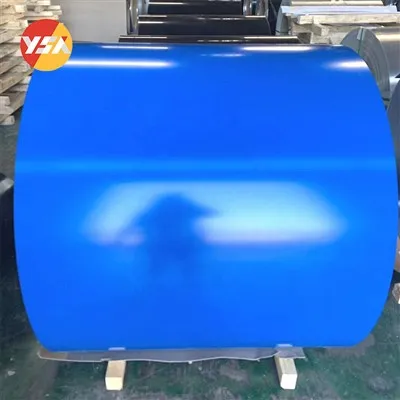
Then there’s the finish. Most checkered coil I sell comes in either mill finish (plain, uncoated) or coated—like painted or powder-coated. Mill finish is the basic silver look you see, and it’s great for a lot of jobs, but it’s more prone to staining in dirty environments. Coated finishes? They act as a barrier between the aluminum and the elements. A good powder-coated finish can add 5 to 10 years to the lifespan, easy. I had a customer who used our powder-coated checkered coil for his food truck exterior—5 years later, it still looks like new, no chips, no fading. He told me he went with coated because he didn’t want to wax it every year, and that was a win. The flip side? If the finish gets scratched really deep, it can expose the aluminum underneath, which will corrode faster than it would if it was uncoated. So you have to take care of it, but a good finish is a huge help.
Now, let’s talk about abuse—because this stuff isn’t always treated nicely. I’ve seen people use checkered coil as a ramp for their ATV, as a barrier around a construction site, even as a temporary roof on a shed during a renovation. Each of these uses impacts lifespan. Heavy impact: if you’re driving heavy equipment on it, or dropping tools on it, dents and scratches are bound to happen. Those dents can trap water, which speeds up corrosion. A coil on a trailer that’s loaded with 10,000 pounds of lumber every week? That’s going to get more dents than one on a trailer that only carries a few lawn tools. The flip side: proper installation. If you mount it correctly, with enough fasteners, no gaps where water can get trapped, that adds years. I had a customer a few years ago who installed our 5052 checkered coil on his boat dock, and he sealed all the edges with aluminum caulk. 12 years later, he called me asking for more, saying the first one still had zero corrosion. That’s not luck—that’s doing it right.
Wait, let’s debunk a myth real quick: aluminum doesn’t rust. I know everyone says that, but it’s kind of half true. Aluminum oxidizes when it’s exposed to air and moisture, forming that thin, dull white or gray layer. That layer actually protects the metal underneath from more corrosion, right? But if that layer gets scratched off, or if it’s exposed to salt or harsh chemicals, it can break down, and the aluminum will corrode. That’s why you see some old checkered coil with those white powdery spots— that’s oxidized aluminum, not rust, but it still weakens the metal over time. So it’s not invincible, but it’s way more durable than steel, which rusts through way faster. I’ve seen steel truck beds that rust out in 5 years, while aluminum ones from our coil are still going strong.
Let’s wrap this up with real numbers, based on what I’ve seen in 7 years of selling. Mild, indoor, low-abuse jobs (like a shop wall, or a small shelf): 1060 alloy, thin gauge, mill finish—3 to 5 years. 3003 alloy, medium gauge, mill finish—10 to 15 years. 3003 alloy, medium gauge, powder-coated—15 to 20 years. Harsh environments: salt air, heavy traffic, extreme temperatures (like a northern trailer that gets salted in winter, or a coastal food truck). 3003 alloy, thick gauge, mill finish—8 to 12 years. 5052 alloy, thick gauge, powder-coated—20 to 25 years. Super heavy-duty, like a forklift-access workshop floor: 5052 or thick 3003, thick gauge, coated—18 to 25 years.
Now, I’m not gonna sit here and say every single roll will last exactly that long. There’s always variables—someone who drives a semi on a thin coil will have a different experience than someone who uses it for a garden gate. But these are the averages I’ve tracked, talking to every customer who’s come back to reorder 5, 10 years later. That’s way better than any textbook number, right?

Here’s the thing: checkered aluminum coil isn’t cheap, but it’s a long-term investment. You don’t want to replace it every couple years, and I tell every customer that when they reach out to me. The worst mistake I see people make is buying the cheapest roll, not realizing it’ll need to be replaced in 2 years, when a slightly more expensive, higher-grade roll would have lasted 10 years. I’ve had customers tell me they saved money going with my recommended coil, because they didn’t have to re-do the job a year later.
PET Coating Aluminum Foil If you’re planning a project right now—whether it’s a new truck bed liner, a workshop floor, a trailer, or something else with checkered aluminum coil—hit me up to chat. I can walk you through which alloy, gauge, and finish will work best for your specific needs, and give you a clear idea of how long it’ll last, no guesswork. I’ve seen every scenario, so I can tell you what works and what doesn’t, no sales pressure, just honest advice. You can trust that, because I’ve been in this game long enough to know that happy customers come back, and that’s how I stay in business.
References
- Aluminum Association. (2021). Alloy Selection Guide for Aluminum Sheet and Plate. The Aluminum Association.
- American Welding Society. (2019). Corrosion Resistance of Aluminum Alloys. American Welding Society.
- National Association of Architectural Metal Manufacturers. (2020). Lifespan Expectations of Coated Metal Building Products. NAAMM.
Henan Yongsheng Aluminum Industry Co., Ltd.
We are one of the most reliable checkered aluminum coil manufacturers and suppliers in China. With abundant experience, we warmly welcome you to buy high-grade checkered aluminum coil for sale here from our factory. All custom made products are with high quality and competitive price.
Address: Gongyi City Industrial Cluster District, Huiguo Town, Gongyi City, Henan Province
E-mail: eric@ysaluminum.cn
WebSite: https://www.ysaluminummill.com/
