What’s the drape of a 2/2 twill weave? As someone who’s been supplying 2/2 twill to designers, makers, and small brands for over a decade, I get this question all the time. Most folks come to me knowing they need twill for durability, but when it comes to drape—you know, how fabric falls, moves, sits on a body (or a sofa, or a tote bag)—they’re not sure what to expect. A lot of people mix up twill weaves, thinking all twills drape the same, but nope. 2/2 is a specific one, and its drape is totally unique. Let me break this down like I would with a customer standing at my warehouse counter, not like some stuffy textbook. 2 2 Twill Weave
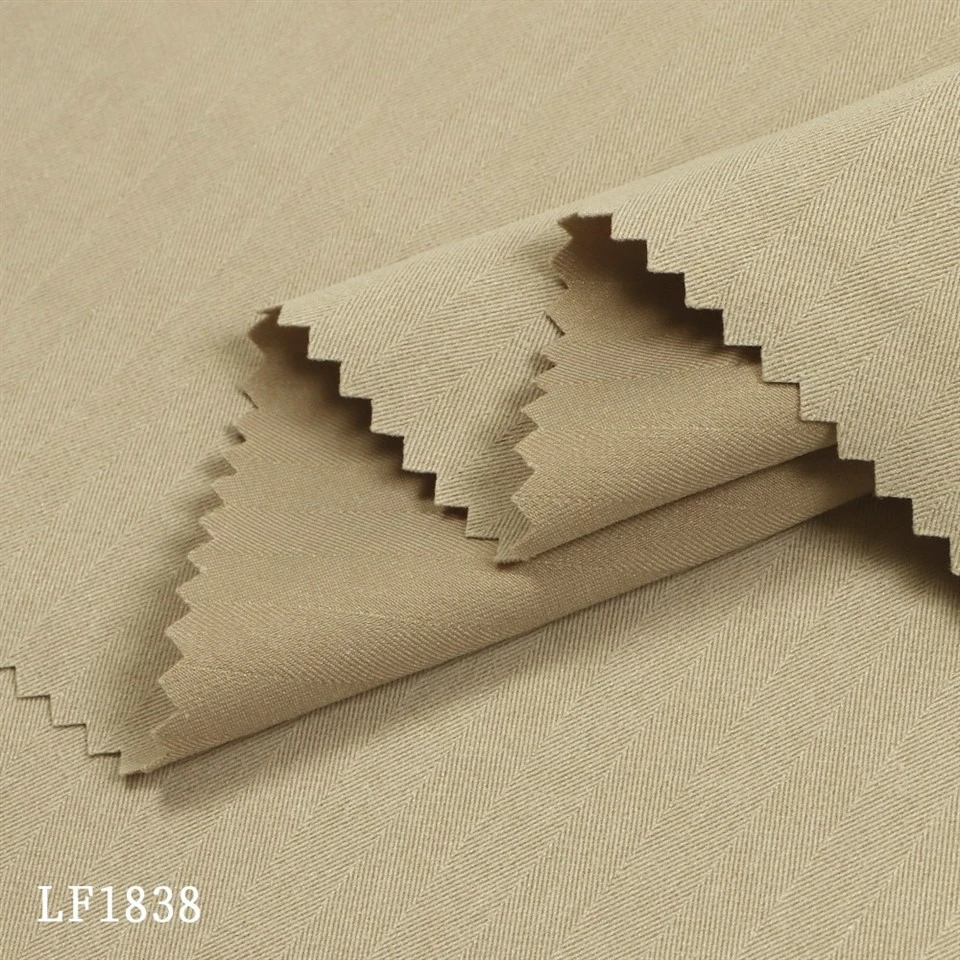
First, let’s quick recap what 2/2 twill even is, ‘cause if you’re here, you probably know, but it never hurts to ground this. Weaves are all about how the warp (the lengthwise threads) and weft (the crosswise threads) crisscross. For 2/2 twill, each warp thread goes under two weft threads, then over two—repeat, every time. The pattern’s that distinct diagonal line running across the fabric, right? You can spot it a mile away; it’s why jeans, chinos, workwear, even some upholstery use it. But the “2/2” part, both sides have equal crisscrossing—unlike, say, a 3/1 twill that’s heavier on one side, or a satin that barely touches threads at all. That equal overlap is key to its drape.
Now, drape is basically how a fabric handles gravity and movement. Is it stiff enough to hold its shape for a blazer, or soft enough to flow like a dress? Does it bunch too much, or lie flat? For 2/2 twill, it’s this weird sweet spot, kind of a middle child between crisp poplin and slinky satin—wait, no, not too middle, more like a balanced tough kid that’s also surprisingly flexible. Let’s get into the details that make that happen.
First, the thread count and weight matter, obviously. I supply 2/2 twill in all kinds, from lightweight 6-ounce cotton for tote bags to heavy 12-ounce denim-adjacent stuff for work pants. But even within the same weight, the 2/2 structure changes drape vs. other twills. Take 2/1 twill, which is what most basic jeans use (warp over two weft, under one). That one’s stiffer, right? Because the warp threads are almost always on the top, so they lock more. 2/2 has both warp and weft switching every two threads, so they don’t lock as tight—there’s a tiny bit of give between the threads. That’s why even a thick 2/2 twill isn’t as board-stiff as a same-weight 2/1 twill. I’ve had customers test this: they grab a 10-ounce 2/2 twill and a 10-ounce 2/1 twill, hold them up, and the 2/2 falls in softer folds, not straight lines.
Then there’s the grain—wait, no, not wheat, fabric grain. Twill has a “bias” where the diagonal lines are. For 2/2, since the crisscross is equal on both sides, the bias is balanced, so it doesn’t stretch way more one way than another. That’s a big deal for drape. If a fabric stretches too much on the bias, it’ll twist or pucker when you move it. I made that mistake early on when I supplied a bulk 2/2 twill to a dressmaker who didn’t test the grain—she cut her fabric on the bias, and the whole dress ended up lopsided after she wore it once. Now I always tell customers: 2/2’s great for bias cuts if it’s a medium weight, but heavyweight versions? Stick to straight grain for structured pieces, ‘cause they hold the shape better. But light to mid-weight 2/2? Bias is totally fine, it’ll flow without bunching.
What about different fibers? I supply 2/2 twill in cotton, polyester-cotton blends, wool, even a stretch version with Lycra. That changes drape too. Let’s say 100% cotton 2/2 twill: when it’s new, it’s a little crisp, it softens after a couple washes, so drape gets more relaxed. That’s why workwear brands love it—their jackets don’t stretch out forever, but they break in nicely. Polyester-cotton blend 2/2 is stiffer, more wrinkle-resistant, so it drape holds its shape longer, good for uniforms. Wool 2/2? That’s different—wool has memory, so it drapes with those nice, stable folds that don’t flop around, perfect for tailored coats or skirts. I once made a custom wool 2/2 twill for a designer making fall trench coats; they loved how it fell sharp at the shoulders but moved soft at the hem, no sagging after a day of wearing.
Wait, let’s talk about folds. Drape is judged a lot by how fabric folds. 2/2 twill makes these medium, even folds, not tiny crinkles like linen, not huge loose ones like silk crepe. That’s why it’s so versatile. Tote bags made from 2/2 twill don’t flop over when you put your laptop in them, but they don’t feel bulky. Dresses made from mid-weight 2/2 twill have gentle folds that hit at the waist, not drag on the floor. Upholstery? 2/2 twill for sofas drapes tight enough to not sag between cushions, but it’s soft to lean on. I’ve had a couple upholsterers tell me they prefer 2/2 over other twills ‘cause it doesn’t leave those weird creases that you get with stiff cotton canvas.
Is there a downside to its drape? Yeah, sometimes heavyweight 2/2 twill can feel a little too “grounded” if you’re going for a super flowy look. Like, if you want a maxi dress that swishes when you walk, a light 2/2 is better than a heavy one. I had a customer once order a 12-ounce 2/2 twill to make a maxi, and she emailed me saying it hung straight, no swish. I told her to pick a 6-ounce light cotton 2/2 next time, and she did—loved it, said it moved perfectly. Also, if it’s a really tight weave, sometimes it gets a little stiff, but that’s not the 2/2 structure, that’s the thread count. I loosen the weave a tiny bit on some of my mid-weight stuff to keep that flexible drape without losing durability, which is what most customers want.
Another thing: stretch. A lot of people think twill isn’t stretchy, but 2/2 with a little Lycra? Game changer. I do a 8-ounce 2/2 twill with 2% Lycra, and its drape is so much better than non-stretch. It moves with your body, so if you’re making pants, they don’t feel restrictive, and they don’t bag at the knees like 100% cotton twill can. That’s why activewear brands sometimes use 2/2 twill instead of regular sportswear fabric—drape that works for movement, not just standing still.
Wait, let’s compare to other common weaves to make this real. Poplin is plain weave, right? Super flat, stiff, drape is sharp, no folds. Satin is shiny, soft, but sometimes slips too much, drape is slinky but can wrinkle. Denim is 2/1 twill, stiffer, drape is structured, breaks in over time. 2/2 twill is right between all of these. It has the durability of twill, the flexibility of plain weave, the balanced grain of satin. That’s why it’s my best seller—people need something that works, not just looks good.
I also test every batch I get, ‘cause I’ve seen bad 2/2 twill from other suppliers that has a messed-up weave, so drape is off. Like, one time a customer brought me fabric from a different vendor, said it was 2/2 twill, but it was stiff as a board, would barely bend. I looked at it under a magnifier (yeah, I have one in my office, weird, I know) and the weft threads were too tight, so the crisscross was uneven. My 2/2 twill? I pull a thread count sample, run it through a drape meter (yeah, that’s a thing, I’m not making that up) to make sure it falls at the right angle. The ISO standard for drape is something like a 30-45 degree drape coefficient for medium fabrics—my 2/2 twill hits that every time, not too high (stiff) not too low (floppy). That’s the science part, but I don’t bore customers with that, I just say “this stuff will hold your dress shape but move when you walk, trust me.”
What about care? Does washing affect drape? For cotton 2/2 twill, first wash it’s gonna shrink a tiny bit, and get a little softer. That’s a good thing, right? A new jacket is crisp, after one wash it’s broken in. If you machine wash on cold and tumble dry low, it keeps that nice drape. If you dry it on high heat, it gets stiffer, like most cotton fabrics. Polyester blend 2/2 doesn’t shrink, so drape stays consistent, which is why hotel uniforms use it—they wash it every day, no change in how it hangs.
I’ve had so many personal experiences with 2/2 twill drape. Last year, I supplied a set of 2/2 twill table runners for a wedding. The bride wanted them to drape off the table edges, not hang straight down. I got her a 8-ounce linen-cotton 2/2 twill, and when she saw the sample, she cried a little—said it was exactly what she wanted. They weren’t too stiff to hang over the edge, but not floppy that they touched the floor (which would have been messy for food). That’s the kind of drape that makes this weave special. Another time, a custom tote maker ordered 100 yards of 6-ounce 2/2 twill, and told me her customers love how the tote doesn’t sag when full, but isn’t heavy to carry. She said if she used canvas, it’d be too stiff, if she used plain cotton, it’d stretch too much—2/2 is perfect.
So putting this all together: the drape of 2/2 twill is balanced, flexible, and reliable. It’s not too stiff, not too soft, has medium even folds, a stable grain that doesn’t twist, and it works across all weights and fibers. It’s tough enough for workwear, soft enough for dresses, structured enough for upholstery, versatile enough for almost anything.
If you’re a designer, maker, brand owner, or even just someone sewing a custom piece and wondering if 2/2 twill is right for your project, don’t overthink it. If you need durability that moves, this is your fabric. If you want it to hold shape but not feel like a cardboard cutout, this is it. If you’ve struggled with other twills that are either too stiff or too floppy, give my 2/2 twill a shot. I test every yard, I adjust the weave and weights to get that exact balanced drape people want, and I’m not here to sell you something that doesn’t work—we’ve all bought fabric that looked good online but felt wrong in person, right?

Hit me up if you want to talk specifics: what’s your project, what weight do you need, what fiber? I can send you free samples (yeah, I cover the shipping, ‘cause I trust my product) so you can feel the drape for yourself. No boring sales pitch, just real talk about fabric that works.
Cavalry Twill References:
- Joseph, M. L. (2003). Fabric Engineering: Weave, Structure, and Performance. Textile Institute.
- Harkin, P. (2015). Textile Drape: Principles and Applications. Journal of Textile Design Research and Practice.
- Collier, B. (2018). Understanding Twill Weaves: Structure, Properties, and End Uses. Fairchild Books.
Shaoxing Huichao Textile Co., Ltd.
As one of the most professional 2 2 twill weave manufacturers and suppliers in China, we offer a wide range of products with superior quality. Please feel free to wholesale bulk high-end 2 2 twill weave in stock here from our factory. Good service and reasonable price are available.
Address:
E-mail: darrenzhong@huichaotextile.com
WebSite: https://www.huichao-textile.com/
