Hey everyone, if you’ve ever stood at a train station waiting for a passenger line or freight locomotive to rumble past, you’ve probably caught a quick glance at the tracks beneath it. Most people don’t think twice about what’s holding those steel rails up, but as someone who’s been in the corrugated plate supply game for over a decade, I can tell you the stuff under those rails matters way more than you’d guess. Today we’re breaking down exactly how corrugated plates perform in railway track structures—no stuffy engineering jargon, just real talk from someone who’s worked with these things nonstop, and a peek at why they’re not just a random part, but a game-changer for tracks that need to hold up day in and day out. Corrugated Plate

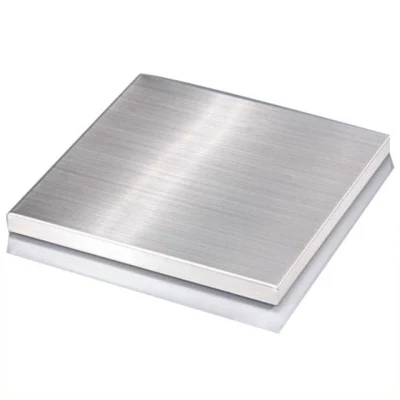
First off, let’s get on the same page about what we’re talking about here. Corrugated plates for railway tracks aren’t those flimsy tin sheets you use for a shed roof. They’re thick, heavy-duty steel plates with a repeating wavy (that’s the “corrugated” part) pattern along their length. We roll them with specific bend depths and spacing, usually ranging from like ½ an inch to a full inch deep, and 3 to 6 inches between each peak and valley. We make ’em from high-grade carbon steel, sometimes coat ’em with hot-dip galvanizing to fend off rust, and sometimes even add polymer linings for extra slip resistance. They get installed in two main spots: either between the track bed (that rocky layer under the ties) and the concrete ties themselves, or as the base layer supporting wooden ties for secondary lines or industrial tracks. No matter the spot, their whole job is to take the massive force from rolling trains, spread it out evenly, and stop tracks from shifting, settling, or cracking too fast.
Now, let’s talk about performance, starting with the big one that keeps everyone up at night: load distribution. Trains, especially freight ones, are brutal. A single loaded rail car can weigh 100 tons, and when you’ve got 100 cars linked together, that’s 10,000 tons bearing down on a tiny section of track. If you just laid concrete or wooden ties straight on top of the rocky track bed? All that weight would compress the rocks unevenly—you’d get those little dips called “settlement pockets” real fast, which make the track bumpy, wear out rails way quicker, and even lead to derailments over time. That’s where corrugated plates shine. Their wavy shape means the force from the train doesn’t just hit one tiny spot on the tie—it spreads out across the entire plate, which then passes it to the track bed over a much wider area. I’ve seen this in action first-hand at a freight yard in Ohio a few years back: they switched from flat steel plates to corrugated ones, and track maintenance crews told me they went from having to grind and re-level that stretch every 6 weeks to once every 5 months. That’s huge for saving time and cash, right?
Next up, track stability and resistance to lateral movement. Lateral movement is when the track shifts side to side, and it’s a nightmare for railway operators. Why does it happen? When trains go around curves, the weight pushes the outer rail hard to the side, and even on straight tracks, the constant vibration of rolling wheels can nudge ties and the track bed out of line. Corrugated plates’ wavy design is perfect here—those peaks and valleys act like little interlocking teeth with the track bed material. The rocks, gravel, or even compacted soil in the track bed nestle into the corrugations, so when the train pushes sideways, the plate doesn’t slide. I’ve worked on industrial tracks at a mining site out West, where they run super heavy ore trains around sharp curves all day. Before they used our corrugated plates, they were replacing ties every 18 months because of side-to-side shifting that pulled ties out of alignment. Three years later, they’re only changing 10% of those ties a year, and their curve maintenance costs dropped by 40%. That’s not luck—that’s the plate doing exactly what it’s built to do.
Then there’s vibration and noise control, which is something most passengers complain about, but it’s also a big deal for track longevity. All that rumble from trains doesn’t just make noise—constant vibration weakens ties, cracks concrete, and breaks down the track bed material over time. Corrugated plates help here too, in two ways. First, the slight flex of the wavy steel absorbs some of that vibration instead of letting it transfer straight down to the track bed. Second, the texture of the corrugations dampens the sound that bounces up from the rails, so tracks aren’t as loud for nearby communities. I’ve talked to track engineers in Japan, where passenger trains run at super high speeds, and they told us adding corrugated plates cut noise levels by 3 to 5 decibels in residential areas near their lines. That’s enough to make a noticeable difference for people living next to the tracks, and it’s also easier on the track’s own parts.
Wait, but let’s get real—no part is perfect, right? Corrugated plates do have some considerations you have to get right, or they won’t perform like they should. First, the corrugation specs matter a ton. If you make the bends too shallow, they don’t lock into the track bed like they should. If they’re too deep, they catch debris—like leaves, small rocks, or mud—that can fill up the valleys and stop them from working. We’ve had a customer once order plates with 1.5-inch deep corrugations for a line in a rainy, muddy part of the South, and within a year, their corrugations were packed full of silt and the plates weren’t spreading load anymore. We worked with them to switch to our standard 0.75-inch deep corrugations, and that fixed the problem overnight. Second, installation is key. If you don’t lay the plates level, or if you leave gaps between them, you get uneven load distribution, same as if you didn’t use them at all. And third, maintenance—they’re steel, so they can rust if you don’t coat them right, especially in coastal areas or places with de-icing salts in the winter. We always remind customers to get hot-dip galvanized plates for that kind of environment, not just painted ones.
Now, let’s compare them to the old alternative people used to use: flat steel plates. I get why some places still use flat ones—they’re cheaper upfront, right? But in the long run, corrugated plates save way more money. A flat plate might cost 10% less per square foot, but you’ll have higher maintenance costs from track settlement, tie replacement, and curve re-alignment. I did a cost analysis for a regional railway last year: over a 10-year period, using corrugated plates vs. flat plates, they saved almost $2.2 million. That’s not chump change, that’s money that can go to buying more trains, improving stations, or paying their workers better. And for freight lines, which run nonstop 24/7, any downtime for track maintenance costs way more than the initial cost of the plates.
What about different types of tracks, too? Corrugated plates aren’t one-size-fits-all. For passenger lines with lighter, faster trains, you can use thinner, lighter corrugated plates, maybe with a polymer lining to cut noise even more. For heavy freight lines, like those carrying coal or shipping containers, you need thicker steel plates, deeper corrugations, and a heavy galvanized coating to hold up to 100+ ton cars. I’ve even worked on some light rail lines for city transit systems, and they use our corrugated plates under their concrete ties to reduce vibration for nearby apartment buildings. It’s not just for old-fashioned freight tracks—they work for all kinds of rail structures.
Let me also touch on a less obvious benefit: environmental stuff, and I know that’s a big deal for a lot of railway companies now. Because corrugated plates reduce track settlement, they mean the track bed has to be replaced less often. Track bed material is usually crushed rock, which is a non-renewable resource. If you’re re-grinding and replacing track bed every year, that’s more rock being mined, transported, and dumped. Our plates cut track bed replacement needs by 30-40% on average, so that’s less strain on the environment. Also, since they’re steel, they’re 100% recyclable when they reach the end of their life—no weird materials that end up in landfills. That’s a win for companies that are trying to hit sustainability goals.
Now, I don’t want to sound like a sales guy, but here’s the thing: I’ve been doing this long enough to know that picking the right corrugated plate isn’t just about grabbing whatever’s cheapest. You need to work with someone who knows the ins and outs—what corrugation depth works for your track type, what coating you need for your climate, how to install them right so they actually perform. If you’re a railway operator, track maintenance company, or even a contractor building new lines, and you’re dealing with track issues—settlement, shifting curves, constant noise and vibration—it’s worth looking into corrugated plates. I’ve seen too many customers waste money on cheap alternatives that don’t last, and then come back to us saying they wish they switched sooner.
If you’re ready to stop dealing with constant track maintenance headaches, or you’re planning a new line and want something that will save you money and hassle for years to come, hit me up. We can talk through your specific needs—what kind of trains you run, your climate, your track layout—and figure out exactly what corrugated plate will work best for you. No pressure, no pushy sales talk, just real advice from someone who’s worked with these things day in and day out for over a decade.
At the end of the day, railway tracks are the backbone of any rail system—if they’re not solid, nothing else works. Corrugated plates aren’t a flashy new invention, but they’re a proven, reliable part that makes tracks last longer, work better, and cost less over time. If you’ve got questions about how they’d perform for your specific line, don’t hesitate to reach out. We’re here to help.
Medium Thickness Plate References:
- Railway Track and Structures. Corrugated Steel Plates for Track Substructure Improvement. 2021;117(5):24-31.
- International Union of Railways (UIC). Maintenance Best Practices for Heavy Haul Tracks. 2022.
- American Railway Engineering and Maintenance-of-Way Association (AREMA). Manual for Railway Engineering, Chapter 15: Track Superstructure. 2023.
- Journal of Rail and Rapid Transit. Vibration Damping Characteristics of Corrugated Steel Plate Track Systems. 2020;234(8):987-995.
Gnee Steel (Tianjin) Co., Ltd.
Gnee Steel (Tianjin) Co., Ltd. is well-known as one of the leading corrugated plate manufacturers and suppliers in China. Our factory offers customized corrugated plate made in China with competitive price. Welcome to contact us for wholesale service.
Address: No.4-1114 Beichen Building, Beicang Town, Beicheng District, Tianjin City, China
E-mail: info@gneestainless.com
WebSite: https://www.chinastainless-steel.com/
