Hey folks, this is Jake, and if you’ve ever bought aluminum cable for a project—whether you’re a residential electrician, a commercial builder, or a weekend DIY warrior—you know it’s a solid pick for its light weight, cost-effectiveness, and corrosion resistance. But I’ve fielded more than a few calls over the years from folks asking, “Wait, are there actual safety rules I have to follow when installing this stuff?” The short answer is a resounding yes. As someone who’s supplied aluminum cable across North America for 12 years, I’ve seen firsthand how skipping these regulations doesn’t just lead to code fines—it can lead to overheating, fires, and costly rewinds. Today, let’s break down the non-negotiable safety regulations for aluminum cable installation, straight from the codebooks and my own years of on-the-ground lessons. Aluminum Cable
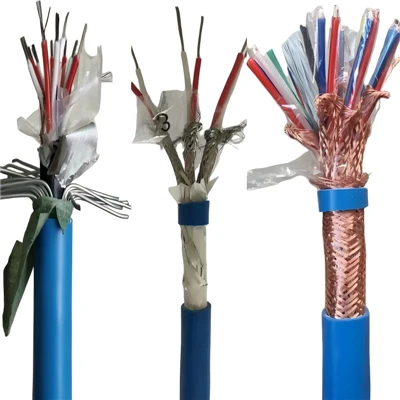
First, let’s get one thing straight: aluminum cable isn’t like copper, even if they look similar. It has a higher thermal expansion rate—meaning it expands and contracts more when current flows through it and when it cools down. That’s why safety codes don’t just treat aluminum wire as a generic “electrical cable.” The first big rule starts with matching the right aluminum cable type to the application. Most of my customers don’t realize there are different grades: for example, NM aluminum (non-metallic sheathed) is for indoor, dry locations only, while USE-2 aluminum is for underground or direct burial. If you use NM aluminum for outdoor wiring? That’s a quick way to get water damage and corrosion, which weakens the cable’s conductivity and causes overheating. The National Electrical Code (NEC), which we follow closely here in the U.S., spells this out in Article 338—aluminum conductors must be listed and labeled for their specific use. I once had a customer a few years back who tried to run indoor NM aluminum for a backyard shed, and an inspector shut the job down mid-install. He’d saved a couple bucks on the wrong cable, but ended up having to replace every foot with the correct USE-2, costing him twice as much. That’s the kind of preventable mistake codes are designed to stop.
Next up, terminations—this is where 70% of aluminum cable installation safety issues come from, in my experience. Copper is soft, so the screws on terminals clamp down evenly when tightened, creating a solid connection. Aluminum is much harder, and if you don’t torque it to the exact specification, the connection will loosen over time as it expands and contracts. Loose connections create resistance, which turns into heat, and heat is the #1 cause of electrical fires in aluminum-wired homes. The NEC mandates two specific types of terminations for aluminum cable: either rated for aluminum conductors, or that are marked “CO/ALR” (COpper/ALuminum) to handle both metals. You cannot use standard copper-only terminals with aluminum cable—full stop. I’ve seen electricians cut corners here too, using a generic copper screw terminal and cranking it as tight as they can, thinking that’s enough. But even that doesn’t work: the aluminum oxidizes when exposed to air, creating a tiny insulating layer at the connection point. A 2018 study from the Electrical Safety Foundation International (ESFI) found that 40% of residential electrical fires linked to aluminum wiring stemmed from improper termination. That’s a stat I share with every customer when we walk through an order—because it’s not just code, it’s protecting people’s homes.
Torque specs are non-negotiable here too. You can’t guess—you need a torque screwdriver set to the exact number for the cable size and terminal type. For example, a 14-gauge aluminum wire on a CO/ALR terminal requires 7 pound-feet of torque, while a 10-gauge needs 12 pound-feet. Skimping on that leads to loose connections; over-torquing strips the terminal or nicks the cable insulation, which creates a fault. I keep a torque screwdriver in my truck whenever I go out to help a customer with a tricky install—just last month, an electrician buddy of mine called panicking because he didn’t have the right tool for a commercial panel upgrade, and I dropped mine off on the way to a supply run. Small step, but it prevented a delay that would’ve cost him thousands.
Another big regulation I want to cover is splices and taps. You can’t just twist two aluminum wires together and tape them up like you might do with copper. The NEC Article 110.14(C) requires that all splices for aluminum cable be made with listed devices: either push-in connectors designed for aluminum, crimp connectors with oxide-inhibiting compound, or mechanical lugs specifically rated for aluminum. Why the oxide inhibitor? Because aluminum naturally forms that insulative oxide layer when it’s exposed to moisture or air, so a standard crimp just won’t create a long-lasting connection. I always recommend using solderless aluminum connectors with the inhibitor built in—they’re not much more expensive, and they cut out the guesswork. I once had a customer try to save a buck on splices for a basement rewiring, and six months later, he had a small fire in his wall from a loose, oxidized splice. He called me to re-do the whole job, and when I quoted him the cost of the proper connectors, he said he wished I’d told him about that rule earlier. It’s the same lesson every time: cutting corners on code leads to higher costs later.
Then there’s the issue of sizing. A lot of DIYers (and even some new electricians) think they can use a smaller gauge aluminum cable than copper, since aluminum is lighter. But no—aluminum has 61% conductivity of copper by volume, so you have to size up one full gauge for the same amperage. For example, a 15-amp circuit that uses 14-gauge copper needs 12-gauge aluminum. Under-sizing aluminum cable leads to excessive heat buildup, because the wire can’t handle the current without overheating. The NEC Chapter 9, Table 8 lists the exact ampacities for aluminum conductors, and I print a pocket-sized copy for every customer I work with. Last year, a contractor called me upset because his new construction job was failing inspection—he’d used 14-gauge aluminum for a 20-amp kitchen circuit, and the inspector pointed out that the NEC requires 12-gauge for 20-amp aluminum. He’d thought aluminum was “just like copper,” and that mistake cost him a full day of rework. It’s a simple rule, but it’s one that trips up so many people.
Outdoor and underground installations have extra rules too. For direct burial aluminum cable, the NEC Article 300.50 requires that it be rated for direct burial (like USE-2) and either buried at least 24 inches deep, or in a raceway, or marked with a warning tape. If you’re running it along exterior walls, it needs to be protected from physical damage—so using conduit for runs along a garage floor, for example, is required. I had a customer a few months back who ran underground aluminum cable for a new driveway light, only to dig it up a year later to put in a fence and nick the cable. Because he didn’t have conduit, he had to replace the entire run, which was way more expensive than if he’d followed the burial depth and conduit rule. These are rules written by electricians who’ve been there, done that, and had to clean up the mess.
Wait, I also need to mention grounding and bonding, which is often overlooked. Aluminum cable’s lower conductivity means proper grounding is even more critical than with copper. The NEC Article 250 sets the rules for grounding conductors: aluminum grounding electrodes must be compatible with the aluminum cable, so you can’t connect a copper ground rod to aluminum cable without a transition fitting (like a copper-aluminum split bolt) to prevent galvanic corrosion. Galvanic corrosion happens when two different metals are connected in the presence of moisture, and it eats away at the connection until it fails. I’ve seen this on old homes with original aluminum wiring—some of those homes had bad connections because someone used a standard copper lug on the aluminum ground, and after 20 years, corrosion made the connection completely lose conductivity.
Now, let’s talk about common myths I hear all the time, because I think that’s part of confusion around these regulations. A lot of people say “aluminum wiring is fire-prone!” but that’s only when it’s installed wrong, not when you follow the codes. I served in the electrician’s union before I started supplying cable, and I worked on hundreds of homes with aluminum wiring that were installed correctly, with proper terminations and torque specs, and they never had issues. The NEC updated its aluminum wiring standards in 2011 to include better termination devices and guidelines, so it’s actually much safer now than it was 50 years ago, when DIYers used standard copper terminals. The problem isn’t the cable—it’s not following the installation safety regulations.
I get it, sometimes codes feel like they’re just a bunch of red tape. But every rule in there comes from real-world experience—from an inspector finding a fire caused by a loose splice, from a homeowner whose circuit overheated because of an undersized cable. As a supplier, my job isn’t just to send you aluminum cable—it’s to make sure you install it safely, because that’s how our job works. If you cut corners on these regulations, you’re not risking just a code violation—you’re risking the safety of whoever uses that space, whether it’s your family, your employees, or your customers.
A lot of folks new to aluminum cable don’t realize that it’s actually the better choice for many projects: it’s lighter, easier to handle for large commercial runs, and cheaper than copper. But you have to respect its differences, and follow the safety regulations that apply specifically to it. I always tell customers that if you’re not sure about a step—whether it’s choosing the right cable type, torqueing a termination, or making a splice—call a licensed electrician, or call me. I can’t give electrical advice, but I can point you to the right resources, or make sure you’re getting the correct cable to meet code.
At the end of the day, installing aluminum cable safely isn’t hard—it’s just about paying attention to those specific rules that apply only to aluminum, not the generic electrical rules for all cables. Whether you’re a contractor, a builder, or a homeowner tackling a project, taking the time to follow these regulations will save you time, money, and stress down the line.

If you’re working on a project and need high-quality, code-compliant aluminum cable, or if you have questions about installation rules for a specific application, don’t hesitate to reach out to our team to discuss your needs. We can help you select the right product, point you to the latest NEC guidelines, and make sure you have everything you need to get the job done safely and up to code.
Aluminum Cable REFERENCES
National Electrical Code (NEC), Article 110, 300, 338, 250
Electrical Safety Foundation International (ESFI), 2018 Aluminum Wiring Safety Report
Underwriters Laboratories (UL) Standard for Aluminum Conductors, SA 1000 Series
Anhui Huawang Cable Co., Ltd.
As one of the most professional aluminum cable manufacturers and suppliers in China, we also support customized service. If you’re going to buy discount aluminum cable, welcome to get pricelist from our factory. Quality products and reasonable price are available.
Address: No. 32, East Street, Batian Street, Datong Town, Tianchang City, Anhui Province
E-mail: Linda@huawangcable.com
WebSite: https://www.huawang-cable.com/
