As a seasoned provider in the sheet metal cutting industry, I’ve witnessed firsthand the challenges and opportunities that small-scale workshops face. Our journey in this field has been a continuous learning process, filled with insights that I’m eager to share. Here, I’ll delve into the best practices for sheet metal cutting in small-scale workshops, drawing from our own experiences and industry knowledge. Sheet Metal Cutting

Material Selection
The first step in any successful sheet metal cutting project is choosing the right material. Different metals have distinct properties that can significantly impact the cutting process. For instance, aluminum is lightweight and easy to cut, making it a popular choice for various applications. Stainless steel, on the other hand, offers high strength and corrosion resistance but can be more challenging to cut due to its hardness.
In our experience, it’s crucial to understand the specific requirements of each project and select the material accordingly. Consider factors such as the intended use of the final product, the required strength, and the aesthetic appeal. Additionally, it’s important to source materials from reputable suppliers to ensure consistent quality. We always recommend conducting tests on a small sample of the material before starting a large-scale project to verify its cutability and compatibility with the chosen cutting method.
Cutting Method Selection
There are several cutting methods available for sheet metal, each with its own advantages and limitations. The choice of cutting method depends on factors such as the type of material, the thickness of the sheet, the required precision, and the available budget.
Laser Cutting
Laser cutting is a highly precise and efficient method that uses a high-powered laser beam to melt or vaporize the metal. It offers excellent accuracy, minimal heat-affected zones, and the ability to cut complex shapes. Laser cutting is suitable for a wide range of materials, including steel, aluminum, and stainless steel. However, it can be relatively expensive, especially for small-scale workshops with limited budgets.
Plasma Cutting
Plasma cutting is another popular method that uses a high-velocity jet of ionized gas to cut through the metal. It is faster and more cost-effective than laser cutting, making it a good choice for thicker sheets and larger projects. Plasma cutting can cut through a variety of metals, including mild steel, stainless steel, and aluminum. However, it produces a wider kerf (the width of the cut) and a rougher edge compared to laser cutting.
Waterjet Cutting
Waterjet cutting is a versatile method that uses a high-pressure stream of water mixed with abrasive particles to cut through the metal. It is a cold-cutting process, which means it produces minimal heat-affected zones and does not cause distortion or warping of the material. Waterjet cutting can cut through a wide range of materials, including thick metals, composites, and stone. However, it is relatively slow and expensive, and it requires a large amount of water.
Shearing
Shearing is a simple and cost-effective method that uses a pair of blades to cut through the metal. It is suitable for straight cuts and can be used on a variety of materials, including steel, aluminum, and copper. Shearing produces a clean edge but is limited to straight cuts and cannot cut complex shapes.
In small-scale workshops, it’s important to choose the cutting method that best suits the specific requirements of each project. Consider factors such as the type and thickness of the material, the required precision, the production volume, and the available budget. We often recommend starting with a more affordable method, such as shearing or plasma cutting, and gradually upgrading to more advanced methods, such as laser cutting, as the workshop grows and the demand for precision and efficiency increases.
Equipment Maintenance
Proper equipment maintenance is essential for ensuring the accuracy and reliability of the cutting process. Regular maintenance helps to prevent breakdowns, extend the lifespan of the equipment, and improve the quality of the cuts.
Cleaning
Regular cleaning is one of the most important aspects of equipment maintenance. Keep the cutting area clean and free of debris, dust, and metal shavings. Use a vacuum cleaner or compressed air to remove any loose particles from the equipment. Clean the cutting blades, nozzles, and lenses regularly to prevent buildup and ensure optimal performance.
Lubrication
Lubrication is another crucial aspect of equipment maintenance. Apply lubricant to the moving parts of the equipment, such as the bearings, guides, and gears, to reduce friction and wear. Use the recommended lubricant for each specific component and follow the manufacturer’s instructions for application.
Calibration
Regular calibration is necessary to ensure the accuracy of the cutting equipment. Calibrate the cutting machine regularly to ensure that it is cutting at the correct speed, power, and angle. Use a calibration tool or a test piece to verify the accuracy of the cuts and make any necessary adjustments.
Inspection
Regular inspection is important for detecting any potential problems or issues with the equipment. Inspect the cutting blades, nozzles, and lenses for signs of wear or damage. Check the electrical connections, hoses, and belts for any signs of fraying or leakage. Address any issues immediately to prevent further damage and ensure the safety of the operators.
In our experience, a comprehensive maintenance plan is essential for keeping the cutting equipment in good working condition. Schedule regular maintenance checks and follow the manufacturer’s recommendations for maintenance and servicing. Train the operators on proper equipment maintenance procedures and encourage them to report any issues or problems immediately.
Safety Precautions
Safety should always be the top priority in any sheet metal cutting workshop. Working with sheet metal and cutting equipment can be dangerous, and it’s important to take the necessary precautions to prevent accidents and injuries.
Personal Protective Equipment (PPE)
Always wear the appropriate personal protective equipment (PPE) when operating the cutting equipment. This includes safety glasses, gloves, ear protection, and a dust mask. The PPE helps to protect the operator from flying debris, sparks, noise, and dust.
Machine Guarding
Ensure that the cutting equipment is properly guarded to prevent accidental contact with the moving parts. Install safety guards, shields, and interlocks on the equipment to protect the operator from injury. Follow the manufacturer’s recommendations for machine guarding and ensure that the guards are in place and functioning properly at all times.
Training
Provide comprehensive training to the operators on the safe operation of the cutting equipment. Train them on the proper use of the PPE, the operating procedures of the equipment, and the emergency stop procedures. Ensure that the operators are familiar with the potential hazards and risks associated with the cutting process and know how to prevent accidents and injuries.
Housekeeping
Keep the workshop clean and organized to prevent tripping hazards and other accidents. Store the materials and tools in a designated area and keep the work area free of clutter. Use proper lifting techniques when handling heavy materials and equipment to prevent back injuries.
In our workshop, we take safety very seriously. We have a comprehensive safety program in place that includes regular safety training, safety inspections, and the use of appropriate PPE. We also encourage our operators to report any safety concerns or issues immediately so that we can address them promptly.
Quality Control
Quality control is an important aspect of sheet metal cutting in small-scale workshops. Ensuring the quality of the cuts helps to meet the customer’s requirements and expectations and improves the reputation of the workshop.
Inspection
Inspect the cuts regularly to ensure that they meet the required specifications. Use a measuring tool, such as a ruler, caliper, or micrometer, to check the dimensions of the cuts. Check the edges of the cuts for smoothness and straightness. Inspect the surface of the cuts for any signs of damage or distortion.
Testing
Conduct tests on the cuts to verify their strength and durability. This may include bending tests, tensile tests, or hardness tests. The tests help to ensure that the cuts are able to withstand the intended use and meet the required performance standards.
Documentation
Keep detailed records of the cutting process, including the material used, the cutting method, the settings of the equipment, and the results of the inspections and tests. The documentation helps to track the quality of the cuts and provides a reference for future projects.
In our workshop, we have a strict quality control system in place. We use advanced inspection and testing equipment to ensure the accuracy and reliability of the cuts. We also maintain detailed records of the cutting process to provide our customers with a high level of transparency and accountability.
Cost Management
Cost management is an important consideration for small-scale workshops. Finding ways to reduce costs without compromising the quality of the cuts is essential for the profitability of the business.
Material Optimization
Optimize the use of the material to reduce waste and save costs. Use nesting software to arrange the parts on the sheet metal in the most efficient way possible. This helps to minimize the amount of scrap material and maximize the yield of the sheet metal.
Energy Efficiency
Use energy-efficient equipment and techniques to reduce the energy consumption of the cutting process. This may include using high-efficiency motors, adjusting the cutting parameters to reduce the power consumption, and turning off the equipment when it is not in use.
Tool Management
Manage the cutting tools effectively to reduce the cost of tool replacement. Use high-quality tools and sharpen them regularly to extend their lifespan. Keep track of the tool usage and replace the tools when they are worn out.
Labor Management
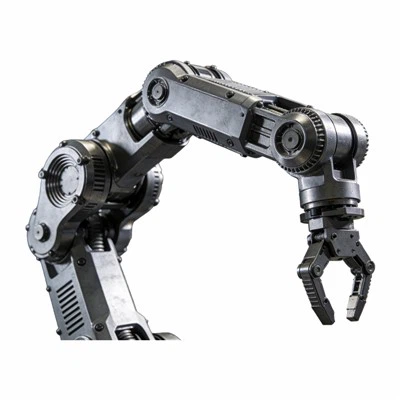
Optimize the labor utilization to reduce the labor cost of the cutting process. Train the operators on the efficient use of the equipment and the cutting techniques. Use automation and robotics to reduce the manual labor required for the cutting process.
In our workshop, we are constantly looking for ways to reduce costs and improve the efficiency of the cutting process. We use advanced software and technology to optimize the material usage, reduce the energy consumption, and manage the tools effectively. We also invest in the training and development of our operators to improve their skills and productivity.
Conclusion
Sheet metal cutting in small-scale workshops requires careful planning, attention to detail, and a commitment to quality and safety. By following the best practices outlined in this blog post, small-scale workshops can improve the efficiency, accuracy, and profitability of their cutting operations.
Precision Machining As a sheet metal cutting provider, we understand the challenges and opportunities that small-scale workshops face. We are committed to providing our customers with high-quality cutting services, innovative solutions, and excellent customer support. If you are looking for a reliable sheet metal cutting partner, we would be happy to discuss your specific requirements and provide you with a customized solution.
References
- "Metal Cutting Handbook" by National Tooling and Machining Association
- "Sheet Metal Fabrication Technology" by Gary Cola
- Various industry publications and research papers on sheet metal cutting
Shenzhen Jingcheng Dingyi Forming Technology Co., Ltd.
Shenzhen Jingcheng Dingyi Forming Technology Co., Ltd. is one of the most professional sheet metal cutting manufacturers and suppliers in China, also supports customized service with low price. Please feel free to buy bulk cheap sheet metal cutting from our factory. For quotation, contact us now.
Address: 1st Floor, Building 3, Huafeng Zhenbao Industrial Park, No.137 Shihuan Road, ShiYan Town, Bao’An District, ShenZhen, PRC
E-mail: 13071475061@163.com
WebSite: https://www.jctop-cnc.com/
